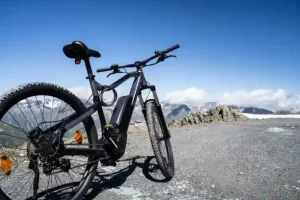
An ebike (electric bike) is a bicycle fitted with an electric motor and battery to assist pedaling, making rides easier and faster while still allowing human power.
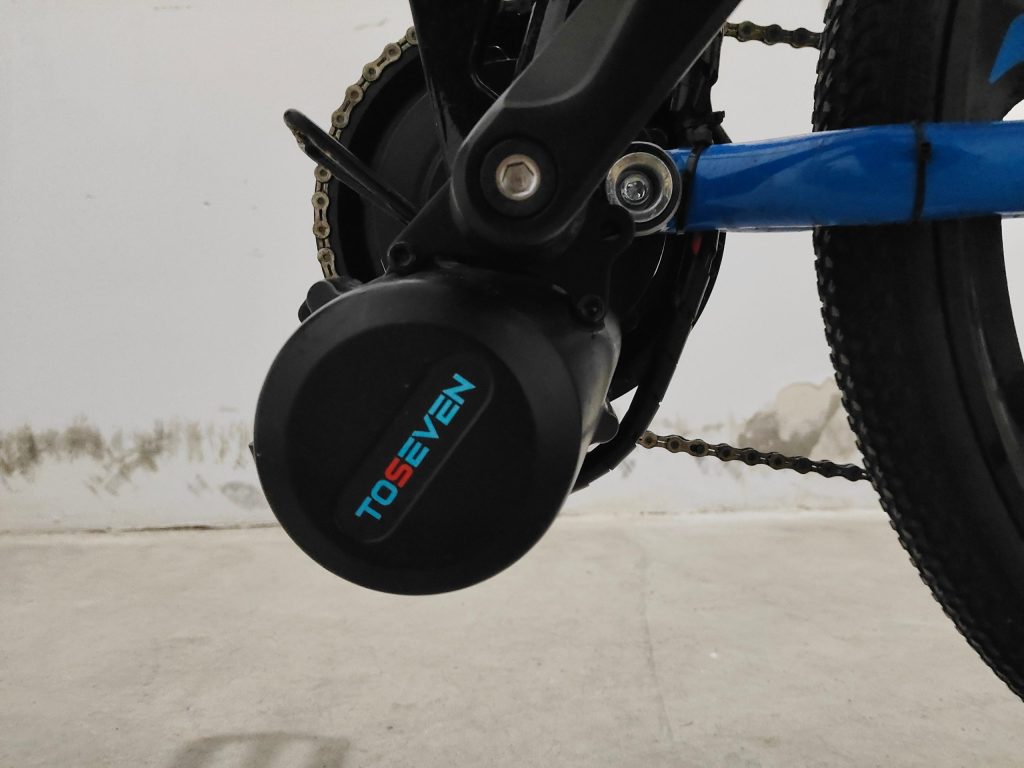
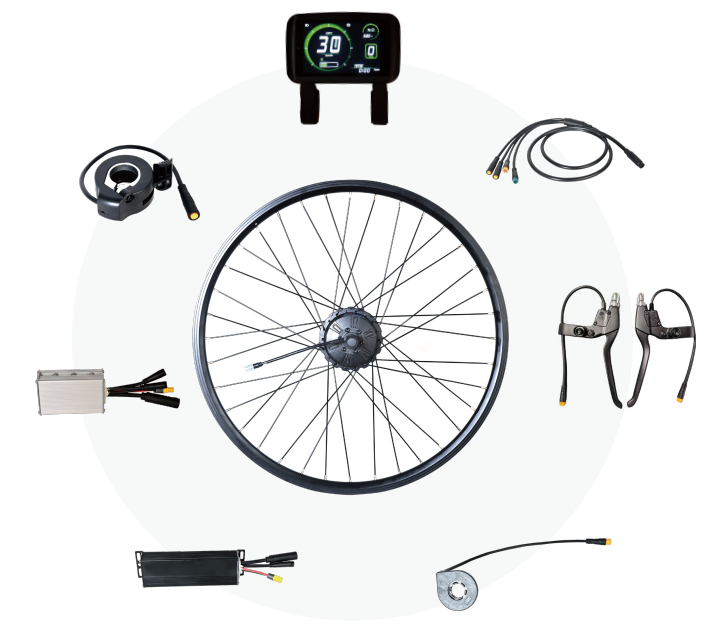
A conversion kit is a package of components you add to a regular bike to turn it into an ebike — typically a motor (hub or mid-drive), battery, controller, throttle or pedal-assist sensor, and necessary wiring and mounts.
In short: an ebike is a bicycle with electric assist; a conversion kit is the set of parts that lets you add that electric assist to a standard bike. Proper installation, correct motor and battery compatibility, a safe brake setup, and the use of quality components help avoid common DIY e-bike conversion mistakes and safety concerns.
The Short Answer: What Should I Know Before Converting To An E-Bike?
Before converting an ebike, you must prioritize frame compatibility (JIS-BSA 68-73mm), choose high torque (Nm) over watts for climbing, and opt for torque sensing for a natural ride.
Additionally, you must budget for accelerated drivetrain wear and ensure your brakes can handle the added speed.
Frame Compatibility with the Motor
I wish I had verified my frame’s structural limits.
A high-torque motor generates stress, especially on aluminum or carbon frames. Verify your bottom bracket is a JIS-BSA 68-73mm standard for a secure motor mount on your bike.
Torque vs. Watts
Watts are misleading; torque (Nm) dictates climbing ability. A high-torque motor will climb effortlessly by utilizing the bike’s mechanical advantage.
It would’ve been so much easier for me if I knew how to prioritize torque (Nm) for hill climbing.
Not Having A Torque Sensor
Cadence sensors create a robotic feel. Torque sensing delivers a seamless, natural ride, making the motor feel like an extension of your own strength.
Having both gives you the best of both worlds. I wish I knew that having both sensors (Dual-Sensing) is the only way to get a smooth start and a powerful climb.
Messing Up My Drivetrain
Standard bicycle chains stretch quickly under the torque of an e-bike. Factor in ebike-rated chains or an Internal Gear Hub (IGH) from day one to protect against wear.
I wish I planned for drivetrain upgrades upfront, as the drivetrain wore out unbelievably quickly.
1. Frame Compatibility With The Motor
When considering an electric bike conversion kit, frame compatibility is paramount. It’s tempting to focus solely on motor power, but the frame’s ability to handle the added stress is equally important.
High-torque motors generate significant forces that a traditional bike frame may not be designed to withstand.
Frame Strength and Bottom Bracket Standards
The bottom bracket area, located at the junction where the bike’s down tube, seat tube, and chain-stays meet beneath the pedals, is a crucial point of contact between the motor and the bike frame.
A standard JIS-BSA (68mm-73mm) bottom bracket ensures a secure fit, preventing the motor from twisting under load. Always verify compatibility to avoid damaging your bike frame.
The Risks of Incompatible Frame and Motor
Installing a powerful motor on an incompatible or weak frame can lead to several issues.
The most significant risk is damage to the bottom bracket shell, especially on aluminum or carbon frames.
The twisting force generated by the motor can deform or even crack the shell, compromising the frame’s integrity.
Choosing Quality Components for Safety
When you look for a conversion kit, it is easy to cut corners and end up with lower-quality products for your bike, which can pose safety hazards.
Investing in reputable brands for quality motors, batteries, and controllers with solid warranties is important for your e-bike’s extended lifespan.
Look for components and positive reviews from other users and compare brands to select the best kit for a durable bike conversion. A reliable motor delivers smooth power, while a high-quality battery ensures longevity and efficient energy use. Prioritizing quality components mitigates potential risks and ensures a safer, more reliable e-bike experience.
What safety and legal aspects should I consider when converting to an e-bike?
Converting a bicycle to an electric bike can be rewarding, but be aware of common ebike conversion mistakes that create safety risks or legal problems. Below is a quick summary of the key safety and legal points to consider before and after conversion.
Safety Considerations
Battery choice & mount: Use a QUALITY battery (Non-negotiable) with a BMSand secure mounting to avoid shorts, fire, or falls.
Wiring & connectors: Use correctly rated, water-resistant wiring; protect from pinches and abrasion to prevent overheating or sparks.
Controller/motor match: Match voltage and current ratings to avoid overload, overheating, or damage.
Protective gear & inspections: Wear a proper helmet, lights, and reflective gear; regularly check tires, spokes, and fasteners.
Thermal management: Ensure airflow for the controller/motor to avoid overheating and mid-ride failures.
Legal Considerations
Before converting an ebike, check local class, motor power, and speed limits so it stays legal on bike lanes; don’t exceed those limits or your bike may be reclassified as a moped/motorcycle with registration, plates, insurance, or licensing requirements.
Also, verify rider age and required safety gear (helmet, lights, reflectors), understand that conversions can void warranties and increase liability after crashes, confirm registration/insurance obligations, and confirm whether parks or trails ban motorized bikes.
2. What is the difference between Torque vs. Cadence Sensing?
One of the most significant advancements in ebike technology is torque sensing, which greatly enhances the riding experience. Not knowing what it is is a big mistake.
Unlike traditional cadence sensors, torque sensing delivers a more natural, responsive power feel, creating a ride that is natural on your electric bike.
What is Torque Sensing Technology?
Torque-sensing technology measures the force you apply to the pedals in real time. This data is then used to modulate the motor’s output, providing proportional assistance based on your effort.
This contrasts sharply with cadence sensors, which merely detect if you’re pedaling—a great feature for electric bikes.
What is Cadence Sensing Technology?
Cadence-sensing technology detects whether you’re pedaling and how fast you’re pedaling by measuring pedal rotation. This information is used to trigger the motor’s assistance at preset levels, giving a consistent boost when you pedal without directly measuring your effort.
This contrasts sharply with torque sensors, which measure the actual force you apply to the pedals in real time and provide proportional assistance based on that effort.
The Benefits of Real-Time Pressure Measurement
The primary benefit of torque sensing is its responsiveness. Because the motor reacts instantly to your pedaling pressure, the bike feels like a natural extension of your own strength. It ensures that electric bikes feel natural.
This real-time interaction allows for precise control, making it easier to tackle varying terrains and maintain balance.
Meaning when climbing hills and the sort, the cadence sensor won’t really know that you’re struggling with terrain or need extra power, cause it doesn’t sense the ACTUAL force you apply.
Why Cadence Sensors Can Lead to Issues
Cadence sensors can create a jerky or delayed response. Since they only detect pedaling, the motor delivers power at a preset level rather than your actual effort.
This can lead to an unnatural and sometimes unpredictable riding experience, especially at lower speeds or during starts and stops on your bike.
3. Torque vs. Watts: The Truth About Hill Climbing
Understanding the difference between torque and watts is necessary for making informed decisions.
While wattage often takes center stage in marketing materials, torque (measured in Newton-meters, Nm) is what truly determines a motor’s ability to handle challenging terrain. A higher torque motor helps on hills.
The Misleading Nature of Wattage Alone
Wattage is often used as a primary metric for motor power, but it primarily reflects the motor’s top-speed potential.
A high-wattage motor may perform well on flat surfaces, but it can struggle on steep inclines if it lacks sufficient torque. Watts can be misleading when choosing a motor.
How Torque (Nm) Impacts Performance
Torque, on the other hand, represents the rotational force that the motor can generate. A high-torque motor can deliver the power needed to overcome resistance.
What that means is converting motor torque through the bike’s gears and wheel radius so that less motor RPM and power are required at the wheel to overcome gravity, allowing the bike to maintain speed on steep grades with reduced strain on the motor and battery.
Consider torque sensing for better performance.
Comparing Motors: Watts vs. Torque Table
Consider this table to understand the difference:
Metric
Technical Purpose
Performance Reality
Watts (W)
Electrical Power Input
Primarily dictates top speed. Often used as a marketing vanity metric.
Torque (Nm)
Rotational Force
The engineering reality of climbing and acceleration under heavy load.
4. Your Bike’s Drivetrain Gets Worn Quickly
Converting a standard bike into an e-bike introduces significantly higher stress on the drivetrain.
The increased torque from the motor can accelerate wear on chains, cassettes, and other components—plan for these drivetrain realities to avoid frequent replacements and maintain a reliable e-bike.
What is the Impact of High Torque on Chains?
A standard bike chain is not designed to handle the extreme torque produced by an ebike motor.
Under heavy load, these chains can stretch rapidly, leading to poor shifting and potential breakage. High-torque ebikes wear down standard bike chains, causing common issues. Therefore, planning is key.
How To Invest in Ebike-Rated Components
Upgrading to ebike-rated chains and cassettes is a must for any e-bike conversion. These components are specifically designed to withstand higher loads and resist stretching, providing longer life and improved performance.
Investing in reputable brands with positive reviews is the way to go for durable, reliable conversions.
Considering Alternative Drivetrain Solutions
For those seeking maximum durability and minimal maintenance, an Internal Gear Hub (IGH) can be quite pricy compared to standard derailleurs, though it is an excellent choice.
IGHs enclose the gears within a sealed hub, protecting them from the elements and reducing wear. An IGH solution is an option for an electric bicycle conversion—a durable choice.
5. Voltage Sag and Battery Discharge Choice
The motor and battery pack are the core components of any e-bike conversion kit. However, a high-wattage motor is useless if paired with a low-discharge battery.
A common issue is voltage sag. Understanding voltage sag and choosing the right battery is crucial for ensuring consistent performance on your ebike.
What is Voltage Sag?
Voltage sag occurs when the battery voltage drops significantly under heavy load, such as during acceleration or hill climbing. This voltage drop can reduce the motor’s power output, leading to a noticeable decrease in performance.
Voltage sag can create problems for your motor and battery pack, such as:
Higher current draw from the battery and motor controller increases heat, accelerating wear, and risking component failure.
Repeated low-voltage conditions that trigger controller cutouts or motor stalls, leading to jerky performance and possible damage.
Increased stress on battery cells that shortens cycle life and can cause imbalance or overheating.
Erratic regenerative braking and sensor readings that reduce reliability and may create unsafe operating conditions.
How to Choose the Right Battery for Consistent Performance?
To mitigate voltage sag, opt for a battery with a high discharge rate and sufficient capacity.
However, when converting a bike, it’s tempting to assume that choosing a 52V or 72V system and a high-discharge battery is an automatic upgrade. Still, several nuances turn those seemingly wise choices into common ebike conversion mistakes.
Higher voltage increases the stress on the motor and controller. Again, huge emphasis on the “if”: the components aren’t rated for it; it can necessitate heavier, bulkier battery packs that are harder to handle; and it raises the stakes for thermal management and proper wiring to avoid fires or accelerated wear.
Moreover, legal limits and local regulations may restrict the power you can run on public roads, and chargers must be compatible with the BMS, which must match the cell chemistry and discharge profile. Improper installation or undersized connectors can negate any performance gain—so weigh component specs, cooling, weight distribution, safety systems, and local laws rather than focusing solely on voltage and C-rating.
Ultimately, choose the battery that is fitted for and compatible with your e-bike motor; that would be the smartest choice.
How To Choose High-Quality Cells for Optimal Results?
The quality of the battery cells also plays a significant role in preventing voltage sag. High-quality cells offer lower internal resistance, allowing them to deliver more power with less voltage drop.
Choose a reputable brand to improve your electric bike conversion. Choose a durable and reliable battery pack.
6. Not getting Shift Sensing Destroys Your Drive Train
What Is Shifting Under Load?
One of the most overlooked aspects of e-bike conversion is shift sensing.
Shifting under full motor load can cause significant stress on your drivetrain. E-bikes are also heavier and faster than traditional bicycles, increasing the risk of damage when shifting improperly.
How does a Shift Sensor Save Your Drivetrain?
A shift sensor, a small and inexpensive device, acts as an “insurance policy” for your drivetrain.
It works by momentarily cutting power to the motor during gear changes, preventing the chain and cassette from experiencing high-torque stress, which is so important for your ebike.
What Happens If You Don’t Have A Shift Sensor?
Without a shift sensor, shifting under load can lead to snapped chains, stripped cassettes, and bent derailleurs.
These repairs can be costly and time-consuming. For a small investment, a shift sensor can save you from these headaches.
7. 99% Of People Don’t Know About Chainline Geometry
What is Chainline Geometry?
Chainline geometry refers to the alignment of the chain from the motor to the rear gears on your ebike.
Proper chainline ensures smooth and efficient shifting across the entire cassette, minimizing noise and wear. This is super important for your e-bike conversion.
Common Mistakes in Chainline Setup
Many e-bike conversion kit installers overlook chainline geometry.
Common mistakes include using the wrong offset chainring or failing to adjust the motor’s position. These errors will lead to dropped chains, poor shifting performance, and accelerated wear on your drivetrain.
How To Use Offset Chainrings for Optimal Performance?
Using offset chainrings is essential for achieving optimal chainline in most e-bike conversions.
Offset chainrings move the chain closer to the frame, compensating for the wider motor and ensuring a straighter chain angle.
This results in quieter, more reliable shifting and increased drivetrain longevity for your electric bike.
8. Upgrading your brakes when converting to an e-bike
Upgrading brakes is a must when converting to an e-bike because the conversion adds power, torque, and often weight—dramatically increasing stopping demand compared with the original bicycle setup.
Without stronger, properly sized brakes, you risk longer braking distances, rotor overheating and fade, and reduced control in emergency stops.
Specifically, electric assist increases acceleration and top speed, so brakes must dissipate more kinetic energy.
Larger rotors, higher-quality pads, and a move from mechanical to hydraulic systems improve heat management and modulation (how smoothly brakes deliver stopping force). Stiffer calipers and better-mounted levers help resist lever flex under high torque, giving you predictable, repeatable stopping power.
What To Avoid So My Brakes Don’t Fail?
What not to do:
DON’T assume the stock brakes are adequate just because they worked before the conversion.
DON’T use undersized rotors or cheap pads and expect safe performance; don’t ignore proper mounting, alignment, and bleeding for hydraulic systems.
DON’T skip testing at low speeds after upgrades.
DON’T have mismatched components (e.g., using a lightweight rotor with a high-power motor) or neglect periodic inspection.
Common Questions About E-bike Conversions
Is it cheaper to buy an e-bike or convert a regular bike?
The cost-effectiveness of buying an e-bike vs. converting a regular bike depends on your specific needs and budget.
Conversion kits can be cheaper upfront, but factor in potential upgrades and maintenance costs. Buying a pre-built e-bike offers convenience and warranty coverage but may be more expensive initially.
What are the hidden costs of DIY e-bike conversion?
DIY e-bike conversion can seem cheap, but hidden costs add up: battery replacements, quality motor upgrades, professional tune-ups, unforeseen frame or brake repairs, wiring mistakes causing controller failures, and increased maintenance.
These ebike conversion mistakes often lead to higher long-term expenses than buying a ready-made e-bike, plus potential safety equipment and legal compliance costs you didn’t budget for.
How fast is a 3000W mid-drive or hub motor in mph?
Generally, you can expect speeds of 35-45 mph, but always adhere to local e-bike speed limits.
However, the top speed of a 3000W mid-drive or hub motor varies depending on factors such as wheel size, rider weight, terrain, and battery voltage.
Note: Motors of this power level often exceed legal Class 1-3 limits and are intended for off-road or private land use.
What are the disadvantages of an ebike conversion?
Ebike conversions can pose challenges, including compatibility issues, increased drivetrain wear, and the need for specialized tools and knowledge.
Additionally, DIY conversions may void warranties, requiring you to worry about storing the ebike and to perform ongoing maintenance and adjustments to ensure safe and reliable operation.
Can Any Bike Be Converted to an Electric Bike?
Not all bikes are suitable candidates for e-bike conversion.
Factors like wheel size, frame material, and braking system compatibility must align with the components of the conversion kit to avoid safety hazards and ensure proper functionality. Before you begin installing your e-bike conversion kit, make sure your bike is compatible.
For example, a high-powered motor may not be compatible with a lightweight frame, leading to instability or even damage.
Also, if you’re running a mid-drive, the BB width of your bike and the motor must match; otherwise, your motor will not fit.
Always ensure your bike’s specifications match the kit you’re purchasing to avoid costly and potentially dangerous problems down the road. When doing DIY e-bike conversions, it is important to prioritize safety and the proper functioning of the product.