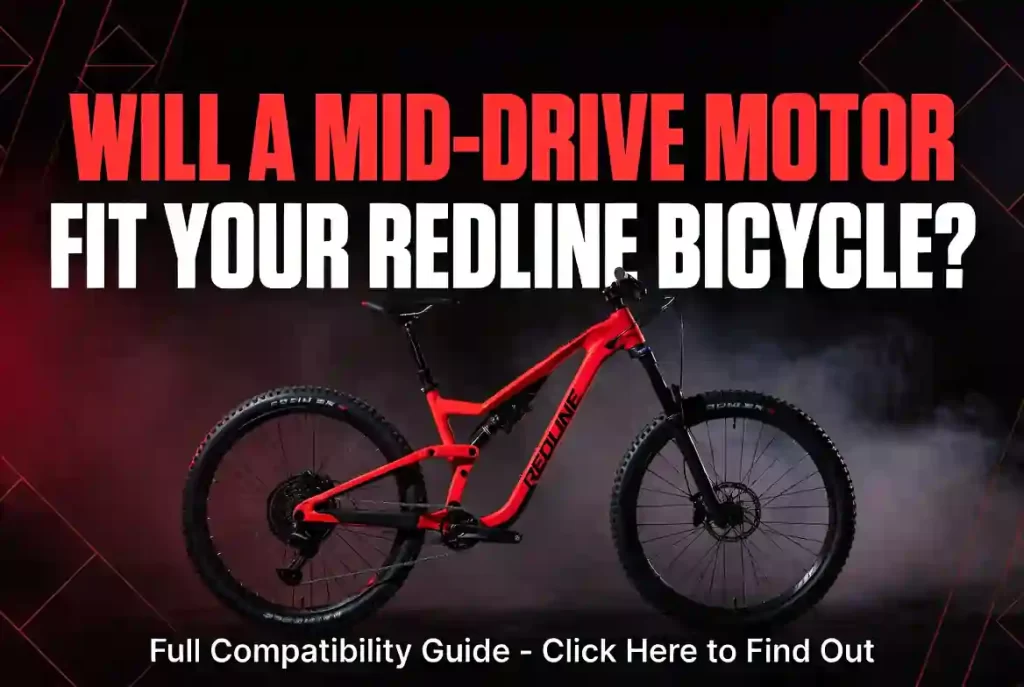
Redline bicycles represent one of the most technically diverse platforms in the mid-drive conversion market. The brand’s engineering history spans professional BMX racing frames, chromoly dirt jumpers, carbon road racers, and robust steel commuters. The vast majority of Redline bicycles are purpose-built BMX machines whose compact geometry and oversized threadless bottom bracket standards make mid-drive conversion mechanically impossible without catastrophic consequences. However, a significant number of adult non-BMX Redline platforms are outstanding conversion candidates. Successful electrification requires a precise understanding of which category your specific frame falls into before any hardware is ordered.
The bottom bracket shell is the hollow metal tube at the very lowest point of your bicycle frame, connecting the downtube, seat tube, and chainstays. In a standard bicycle, this shell houses the bearings that allow the crankset to rotate. In a mid-drive conversion, the motor axle must pass completely through this shell.
1. Compatibility Overview
Mandatory Toseven Hardware Directives
Before assessing individual Redline frame platforms, you must strictly adhere to three universal engineering constraints:
- First, Carbon Frame Torque Limits Carbon frames are highly susceptible to crushing failures under torsional motor loads. The Toseven DM01 motor produces 160Nm of torque and is strictly prohibited from being installed on any carbon Redline frame. Carbon conversions are limited entirely to the DM02 motor. When installing the DM02 on a carbon frame, you must use protective interface pads between the motor housing and the frame, the primary lockring torque must be strictly limited to 35 to 40Nm, and the secondary lockring must be strictly limited to 15Nm.
- Second, The DM02 Shift Sensor Exclusion The Toseven DM02 kit does not include a shift sensor. Riders utilizing the DM02 must shift gears manually. You must intentionally pause pedal input during derailleur actuation to unload the motor torque from the chain. Failure to do so will result in accelerated drivetrain wear or immediate chain failure under load.
- Third, Motor Sizing Must Match Your Frame’s BB Shell Width The Toseven DM01 and DM02 are available in 68mm, 73mm, and 100mm variants relevant to Redline frames in this guide. You must order the motor variant that precisely matches your frame’s BB shell width. Ordering the wrong size will produce an uncorrectable chainline error and prevent proper frame clamping. Measure your BB shell width face-to-face with a caliper before ordering.
| Model Name | Frame Material | BB Standard | Shell Width | Bore | Motor Variant | Hardware Required | Compatibility |
|---|---|---|---|---|---|---|---|
Works Perfectly Fully drop-in compatible. No special adapter hardware required. | |||||||
| Monocog 29er (Steel) | 4130 Chromoly | BSA Threaded | 68mm | 33.7mm | 68mm | None | 🟢 Works Perfectly |
| Conquest (Alloy) | Aluminum | BSA Threaded | 68mm | 33.7mm | 68mm | None | 🟢 Works Perfectly |
| Metro Classic / Sport | Aluminum / Steel | BSA Threaded | 68mm | 33.7mm | 68mm | None | 🟢 Works Perfectly |
| D440 / D460 | Aluminum | BSA Threaded | 68mm | 33.7mm | 68mm | None | 🟢 Works Perfectly |
| Zander | Aluminum | BSA Threaded | 68mm | 33.7mm | 68mm | None | 🟢 Works Perfectly |
| PL-26 / RL-275 / SQB-26 | Steel / Aluminum | BSA Threaded | 68mm | 33.7mm | 68mm | None | 🟢 Works Perfectly |
| Urbis / Urbis Nox | Chromoly | BSA Threaded | 68mm | 33.7mm | 68mm | None | 🟢 Works Perfectly |
| R5.2 / R760 / R7.1 | Aluminum | BSA Threaded | 68mm | 33.7mm | 68mm | None | 🟢 Works Perfectly |
Works Well Compatible, but requires specific adapter hardware. Follow entry instructions precisely. | |||||||
| D26 Dirt Jumper | 4130 Chromoly | Mid BB Press-Fit | 68mm (verify) | 41.2mm | 68/73mm | Mid-to-BSA cups | 🟡 Works Well |
DM02 Only — Carbon Caution DM01 is strictly prohibited. DM02 may be used at reduced torque with pads. | |||||||
| Conquest Pro / Expert / Elite | Carbon | PF30 Press-Fit | 68mm | 46mm | 68mm | PF46-to-BSA | 🟠 DM02 Only |
| Conquest Flight Carbon | Carbon | BB86 / PF41 | 86.5mm | 41mm | 100mm | PF41-to-BSA | 🟠 DM02 Only |
Not Compatible Cannot be safely converted with standard hardware. | |||||||
| MX Series / Proline / Expert | Steel / Aluminum | American/MID | Various | 37–51.3mm | — | — | 🔴 Not Compatible |
| Roam | Steel | American BB | 68mm | 51.3mm | — | — | 🔴 Not Compatible |
Foundational Terms To Navigate This Guide
- BSA (British Standard Cycle / Euro Threaded) A traditional threaded bottom bracket shell featuring a 1.37-inch diameter with 24 threads per inch, yielding an inner diameter of approximately 33.6 to 33.9 millimeters. This is the optimal standard for Toseven motors and is found on all non-BMX adult Redline platforms.
- Press-Fit A threadless shell design where bearings or bearing cups are pressed directly into a smooth frame bore using mechanical force. Found on carbon Conquest variants and the D26 Dirt Jumper.
- American BB (Ashtabula) An oversized, smooth, threadless BMX shell with a 51.3mm internal diameter. Found on vintage Redline cruisers and entry-level platforms. Not compatible with mid-drive motors under any standard installation protocol.
- MID BB The most common modern BMX standard. Smooth, threadless, approximately 41.275mm internal diameter. Found on most Redline race and freestyle BMX frames. Not compatible.
- Spanish BB A lighter BMX press-fit standard with a 37mm internal diameter. Found on select Redline BMX frames. Not compatible — the 1.75mm of clearance per side between the motor axle and shell is physically insufficient for any adapter.
- PF30 A press-fit standard used on the carbon Conquest Pro, Expert, and Elite. Features a 68mm wide shell with a 46mm internal bore. Requires PF46-to-BSA reducer bushings.
- BB86 / PF41 A press-fit standard used on the Redline Flight Carbon. Features an 86.5mm wide shell with a 41mm internal bore. Requires PF41-to-BSA reducer bushings and the 100mm motor axle variant.
- Mid-To-BSA Adapter Purpose-built pressed cups that convert the D26’s 41.2mm Mid BB bore to a BSA threaded interface. Requires Loctite 638 or 680 retaining compound for safe installation under motor torque.
These three rules apply to every 🟠 entry in this guide without exception. They are not repeated in each platform entry — read them once and apply them universally.
- Rule 1 — DM01 Strictly Prohibited The Toseven DM01 is strictly prohibited on every carbon Redline frame regardless of BB standard, model year, or torque setting. DM02 only, without exception.
- Rule 2 — Lockring Torque Strictly Limited Primary lockring: 35 to 40Nm maximum. Secondary lockring: 15Nm maximum. Do not exceed these limits under any circumstances.
- Rule 3 — Protective Interface Pads Mandatory Interface pads must be installed between the motor housing and the carbon frame surface on every carbon conversion. Installing the DM02 directly against bare carbon without interface pads risks progressive shell crushing and frame destruction.
2. Platform Specific Analysis
BMX Race and Freestyle Platforms — The No-Go Zone

This category covers the vast majority of Redline bicycles on the market. These are purpose-built racing and freestyle machines. If your Redline falls into this category, the conversion stops here entirely.
- Redline MX Series (MX-20, MX-24)
- Redline Proline
- Redline Flight Alloy versions
- Redline Expert
- Redline Junior
- Redline Roam
Bottom Bracket Types Found Here: American BB (51.3mm inner diameter), MID BB (41.275mm inner diameter), and Spanish BB (37mm inner diameter).
Why These Frames Cannot Be Converted:
- No Threads, Incorrect Diameter The Toseven motor axle has a precision diameter of 33.5mm and requires a threaded shell to anchor the locknuts against. American, MID, and Spanish bottom brackets are massive, smooth, threadless holes. There is no mechanical surface for the motor’s locknuts to grip.
- Adapters Are Not A Safe Solution You cannot safely use any press-in adapter in these oversized BMX shells to bridge the gap to the motor axle. Because the shell lacks internal threads, the 160Nm generated by the DM01 — or the 90Nm generated by the DM02 — will spin the motor casing inside the bore under heavy acceleration. The motor tears the mounting hardware loose, gouges the frame, and ultimately disables the bicycle at speed. Cheap friction-based inserts available online that claim to step an American BB down to a threaded interface rely entirely on friction in a 51.3mm smooth bore. Under electric motor torque, they fail violently. There is no standard installation procedure that makes these frames safe for mid-drive conversion.
- Frame Size Limitations BMX frames feature highly compact rear triangles. The mid-drive motor housing physically requires space beneath and behind the bottom bracket. On a Redline Expert or Proline, the motor housing will strike the rear chainstays before the axle can even be fully inserted.
- Ground Clearance BMX bikes sit extremely low to the ground. Adding a motor beneath the bottom bracket eliminates ground clearance entirely, causing the motor to strike the pavement when leaning into corners.
D26 Dirt Jumper
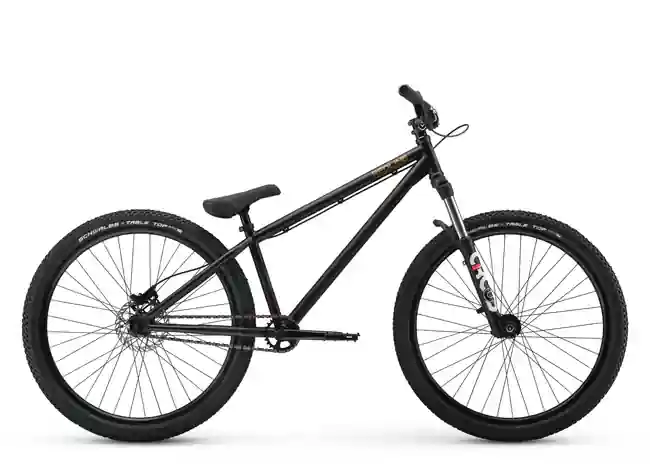
What You Need To Know
- Frame Material: 4130 Chromoly Steel
- Bottom Bracket: Mid BB Press-Fit (68mm width, 41.2mm bore) — verify: some D26 variants use a 74mm shell
- Motor Required: 68mm variant (73mm if your frame measures 74mm shell width — measure with a caliper before ordering)
- Hardware Required: Mid-to-BSA adapter cups + Loctite 638 or 680 retaining compound
- Compatibility: 🟡 Works Well
The D26 Dirt Jumper is built from thick-walled 4130 Chromoly steel — one of the most structurally robust frame materials available. This makes it a genuinely viable conversion candidate despite its Mid BB press-fit shell. The Mid BB’s 41.2mm bore is close enough to the BB86 standard’s 41mm bore that purpose-built Mid-to-BSA adapter cups can be pressed in safely when the installation is performed correctly. Do not use standard BB86-to-BSA adapters — the 0.2mm bore difference means they will fit too loosely, producing creaking and eventual slipping under motor torque. You must use Mid-to-BSA specific cups.
Critical Installation Requirements
The D26 installation differs from every other compatible Redline frame in this guide. Two steps are non-negotiable:
- Retaining Compound Mandatory Apply Loctite 638 or 680 retaining compound to the outer surface of the adapter cups before pressing them into the shell. This fills the microscopic gap between the cup and the bore, chemically bonding the adapter to the frame and preventing rotation under the DM02’s 90Nm output.
- Shell Width Must Be Verified By Caliper Most D26 frames use a 68mm shell and require the 68mm motor variant. However, some D26 production runs used a 74mm shell. If you order a 68mm motor for a 74mm shell, the axle thread length will be insufficient for the lockrings to achieve full clamping engagement. Measure your shell width face-to-face before ordering.
Both DM01 and DM02 are theoretically compatible on the chromoly D26. However, the DM02 is the recommended choice — the 160Nm DM01 output against a press-fit adapter interface, even with retaining compound, represents a higher long-term risk of adapter creep than the 90Nm DM02.
Carbon Platforms — Conquest Pro/Expert/Elite and Flight Carbon
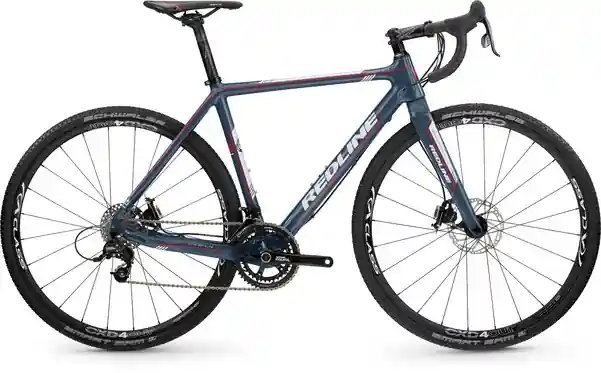
All entries in this section are DM02 only. DM01 is strictly prohibited. Primary lockring: 35–40Nm. Secondary lockring: 15Nm. Interface pads mandatory.
Conquest Pro / Expert / Elite (Carbon)
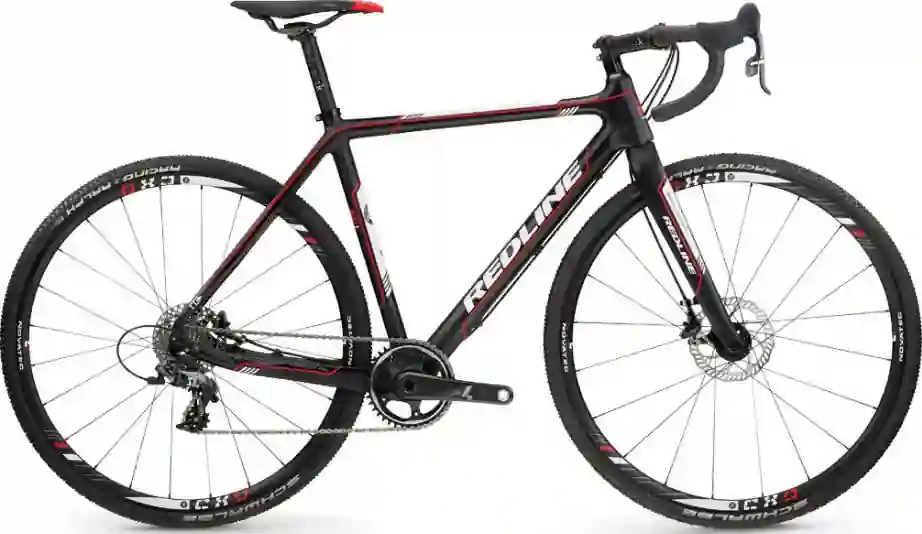
- Frame Material: Carbon
- Bottom Bracket: PF30 Press-Fit (68mm width, 46mm bore)
- Motor Required: 68mm variant
- Hardware Required: CNC-machined PF46-to-BSA reducer bushings
- Spacer Kit: Standard Toseven 1mm/2mm kit is sufficient
Universal carbon frame rules apply — see Section 01.
The carbon Conquest Pro, Expert, and Elite use a PF30 press-fit shell — 68mm wide with a 46mm internal bore. You must use PF46-to-BSA CNC-machined reducer bushings. Do not use PF41 bushings — they are sized for the Flight Carbon’s 41mm bore and will produce a dangerously loose fit in the 46mm bore. Because the shell is 68mm wide and the motor is the 68mm variant, the standard Toseven spacer kit provides more than enough material — typically 0 to 2mm of spacing is all that is required to achieve full locknut engagement without axle bottoming. Installation difficulty is moderate.
Although the motor clamps against the metal faces of the PF46-to-BSA reducer bushings, the total compressive load is borne by the carbon PF30 shell. Exceeding 40Nm on the primary lockring risks delamination of the carbon layers at the bushing seating surfaces. Anti-rotation interface pads between the motor housing and the downtube are mandatory — the pads prevent the motor from pivoting under torque, which is the primary cause of carbon shell damage at these reduced torque settings.
Conquest Flight Carbon
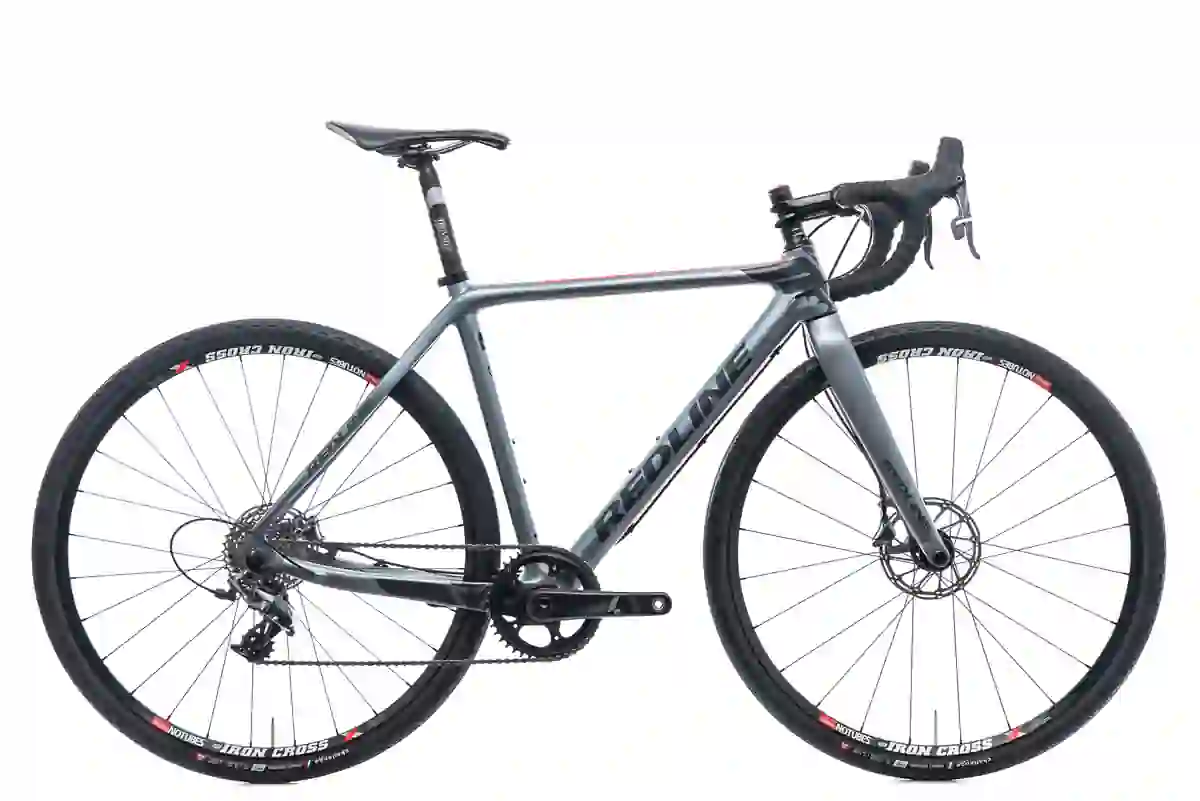
- Frame Material: Carbon
- Bottom Bracket: BB86 / PF41 Press-Fit (86.5mm width, 41mm bore)
- Motor Required: 100mm variant — 68mm and 73mm axles are physically too short
- Hardware Required: CNC-machined PF41-to-BSA reducer bushings + additional spacers beyond standard kit
Universal carbon frame rules apply — see Section 01.
The Flight Carbon uses a BB86 shell — 86.5mm wide with a 41mm internal bore. The 68mm and 73mm motor axle variants will not clear the 86.5mm shell width while leaving enough thread protrusion for the lockrings to achieve full engagement. The 100mm axle variant is mandatory without exception.
Bushing Specification: You must use CNC-machined PF41-to-BSA reducer bushings specifically. Do not use PF46 bushings — they will not enter the 41mm bore. Do not use Mid-to-BSA cups — they are designed for the 41.2mm Mid BB bore and will be loose in this 41mm shell.
Spacer Management — Additional Hardware Required: With a 100mm axle in an 86.5mm shell, there is approximately 13.5mm of dead space to fill. The standard Toseven 1mm/2mm Precision Spacer Kit included with the DM02 contains only approximately 6mm of total spacer material (2 x 2.5mm + 1 x 1mm) — roughly 7.5mm short of what is required. You must source an additional standard 24mm or 30mm BB spacer kit sold for Hollowtech II or DUB cranksets to make up the difference. Ensure the PF41-to-BSA reducer bushings are fully seated before measuring, as any lip on the bushing face adds to the total width requiring spacers.
Distribute the spacers as follows:
- Drive Side: 5mm pushes the motor slightly outboard to clear the flared carbon chainstays
- Non-Drive Side: 8.5mm provides a solid surface for the triangular mounting plate and lockrings to clamp against
Note: even though the motor clamps against the metal faces of the PF41-to-BSA reducer bushings, the total compressive load is still borne by the carbon BB shell. Exceeding 40Nm on the primary lockring risks delamination of the carbon layers or cracking the shell at the bushing seating surfaces. Installation difficulty is high.
BSA Threaded Non-BMX Platforms
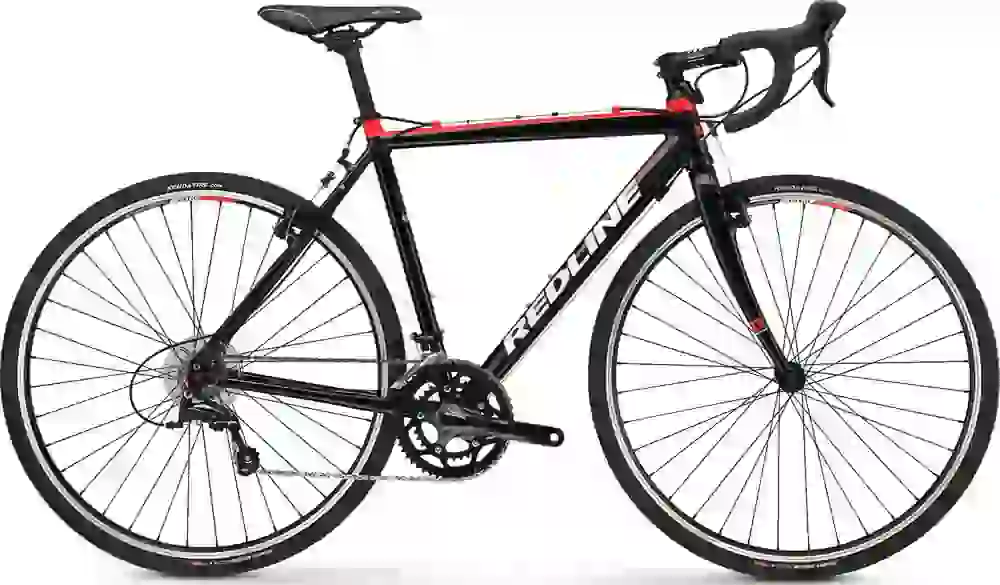
All frames in this section use a BSA threaded 68mm shell. No reducer bushings are required on any of them. The motor axle slides through the threaded frame with minimal radial play, the locknuts clamp against a structurally reinforced threaded metal wall, and the result is the most mechanically secure mid-drive interface possible. Both DM01 and DM02 are compatible across this entire category.
Monocog 29er (Steel, All Years)
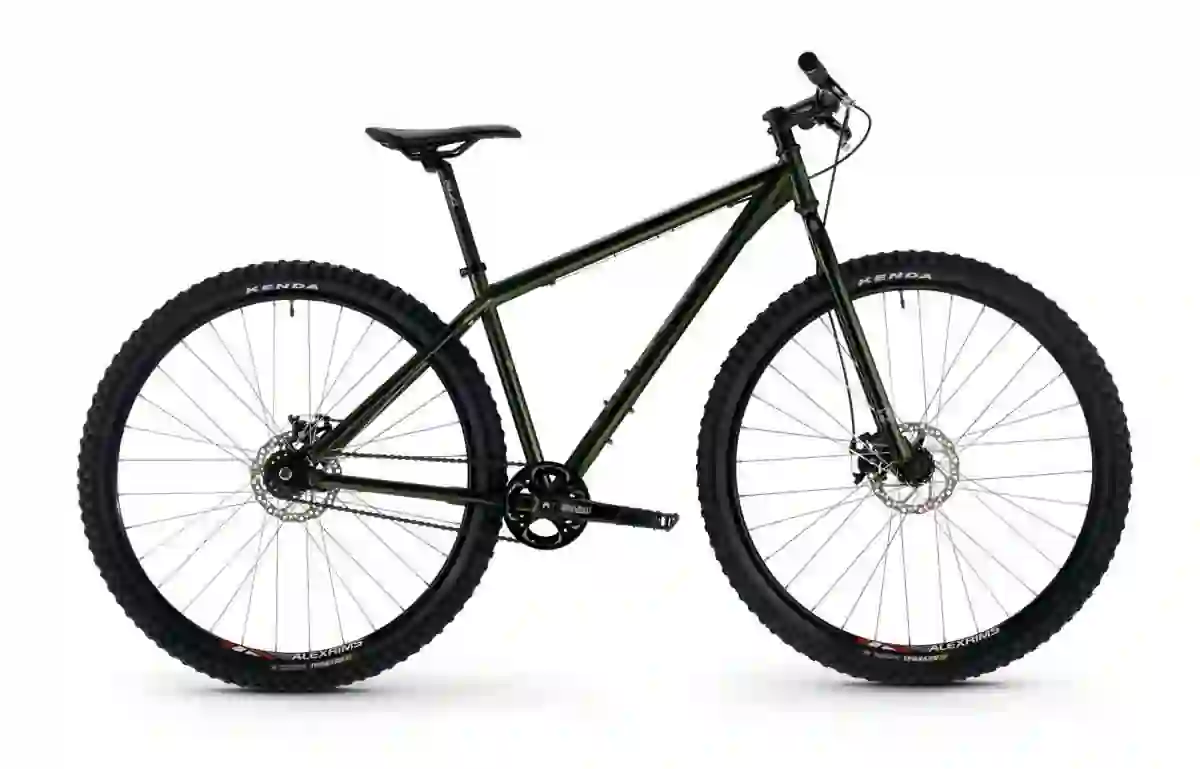
- Frame Material: 4130 Chromoly Steel
- Bottom Bracket: BSA Threaded (68mm)
- Rear Spacing: 135mm Thru-Axle
- Motor Required: 68mm variant
- Chainring Offset: 9mm (Achieves a 50mm chainline — near perfect for 135mm hub)
No bottom bracket adapters are required. Installation difficulty is low. The Monocog is the single best Redline conversion candidate in this guide — chromoly steel construction, generous main triangle for battery placement, and the 135mm rear hub spacing produces the closest chainline match of any Redline platform to the Toseven’s corrected 50mm output. Both DM01 and DM02 are highly recommended.
Conquest (Alloy, All Years)
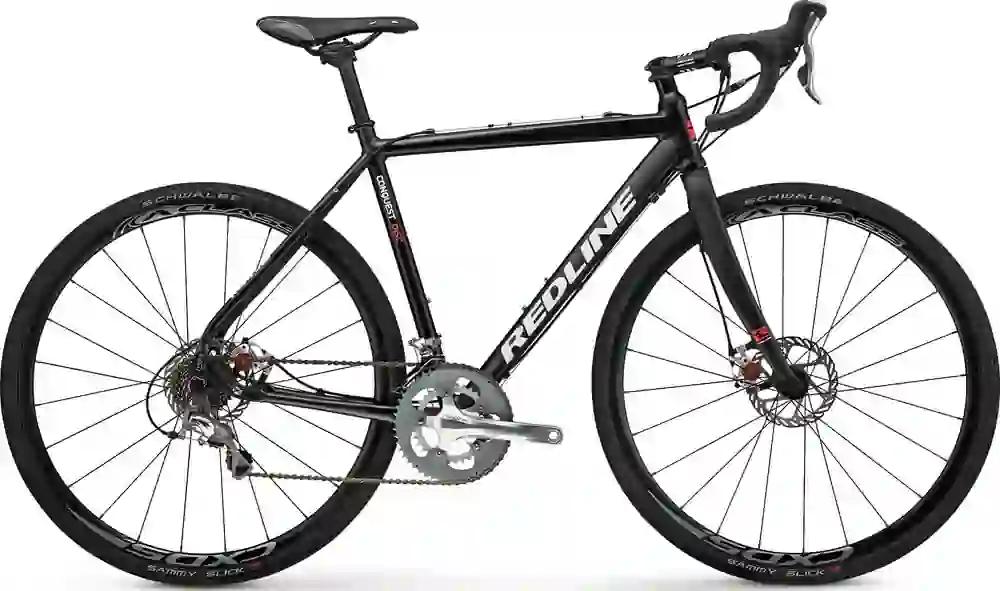
- Frame Material: Aluminum
- Bottom Bracket: BSA Threaded (68mm)
- Rear Spacing: 130mm
- Motor Required: 68mm variant
- Chainring Offset: 9mm (Achieves a 50mm chainline)
No bottom bracket adapters are required. Installation difficulty is low. Note: verify that your Conquest is the alloy variant before ordering. The carbon Conquest Pro, Expert, and Elite use PF30 press-fit and are covered in Section 1.3. The Flight Carbon uses BB86 and is also covered in Section 1.3. If you are unsure, remove the existing bottom bracket and inspect the shell — smooth bore means press-fit, visible threads means BSA threaded. Both DM01 and DM02 are compatible on the alloy variant.
Metro Classic And Metro Sport (All Years)
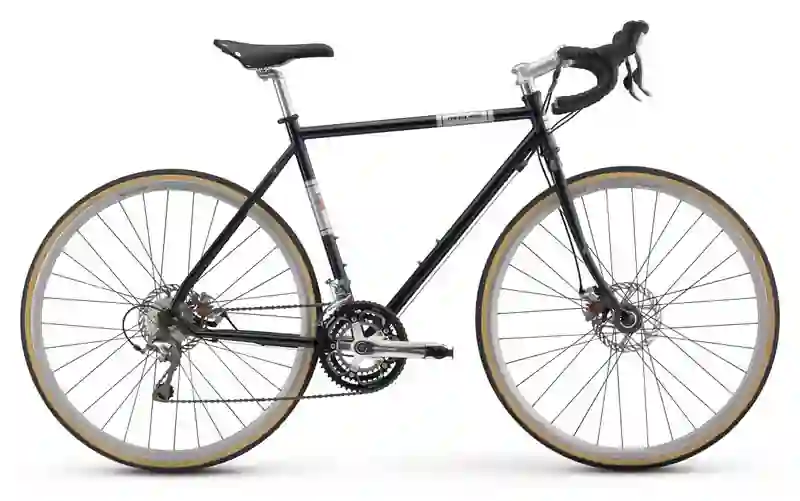
- Frame Material: Aluminum / Steel (varies by trim)
- Bottom Bracket: BSA Threaded (68mm)
- Rear Spacing: 130mm
- Motor Required: 68mm variant
- Chainring Offset: 9mm (Achieves a 50mm chainline)
No bottom bracket adapters are required. Installation difficulty is low. The Metro Classic and Metro Sport are outstanding urban commuter conversion candidates — flat bar geometry, upright riding position, and a spacious main triangle for battery placement. The 9mm offset achieves a 50mm chainline, which sits approximately 5 to 6mm outboard of the ideal road cassette center on the 130mm rear spacing. This produces a slight diagonal chain angle in the largest cogs but is the maximum correction achievable with standard Toseven offset rings — shifting performance across the middle of the cassette will be smooth and efficient. The DM02 is the definitive recommendation for these commuter platforms.
D440 And D460 (All Years)
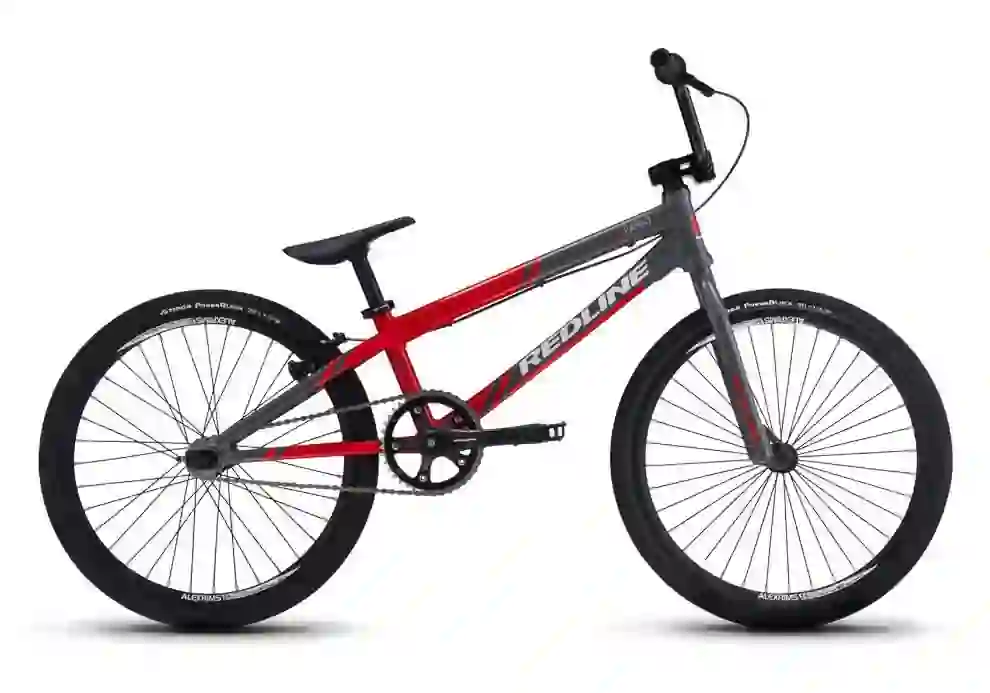
- Frame Material: Aluminum
- Bottom Bracket: BSA Threaded (68mm)
- Rear Spacing: 135mm
- Motor Required: 68mm variant
- Chainring Offset: 9mm (Achieves a 50mm chainline — near perfect for 135mm hub)
No bottom bracket adapters are required. Installation difficulty is low. Both DM01 and DM02 are compatible.
Zander (2018)
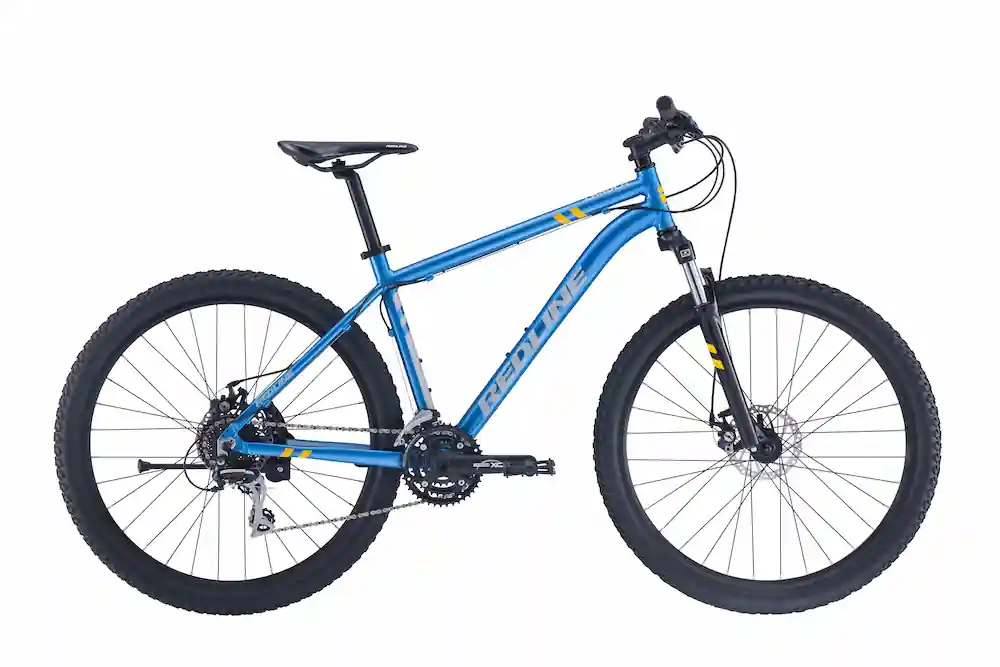
- Frame Material: Aluminum
- Bottom Bracket: BSA Threaded (68mm)
- Rear Spacing: 135mm
- Motor Required: 68mm variant
- Chainring Offset: 9mm (Achieves a 50mm chainline)
No bottom bracket adapters are required. Installation difficulty is low. The Zander was a limited-run MTB sold through mass-market retailers. It is a fully viable conversion candidate with one specific caution: inspect the derailleur hanger before proceeding. The Zander’s derailleur hanger is a known weak point on this specific model and should be verified for straightness and integrity before motor installation. A damaged or bent hanger will produce poor shifting under motor torque regardless of chainline. Both DM01 and DM02 are compatible.
PL-26, RL-275, And SQB-26 (All Years)
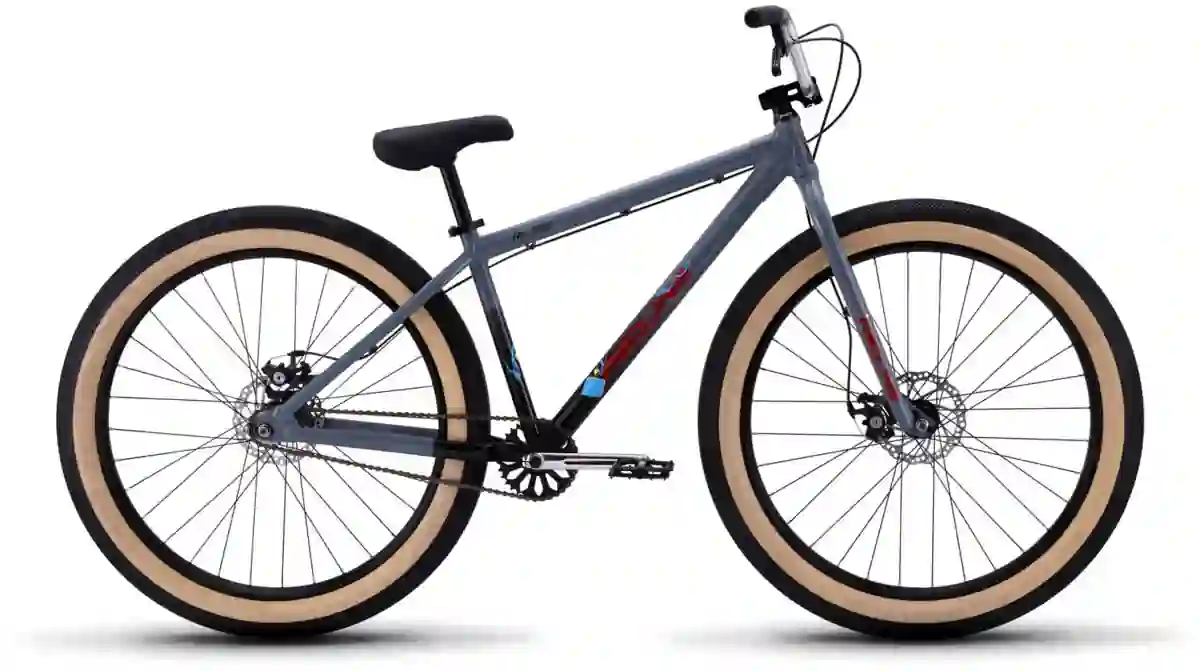
- Frame Material: Steel / Aluminum (varies by model)
- Bottom Bracket: BSA Threaded (68mm)
- Rear Spacing: 130mm–135mm depending on variant
- Motor Required: 68mm variant
- Chainring Offset: 9mm (Achieves a 50mm chainline)
No bottom bracket adapters are required. Installation difficulty is low. These 26-inch and 27.5-inch wheel platforms are frequently used for urban commuting. The BSA shell on these frames is listed as “Euro BB” in Redline’s own specifications — this is simply the BMX industry’s alternate name for the standard BSA threaded interface. It is identical in every mechanical respect. One platform-specific caution: the PL-26, RL-275, and SQB-26 have wide BMX-style chainstays that flare outward early. You must test-fit the chainring and verify clearance between the chainring teeth and the chainstay before tightening any hardware. Both DM01 and DM02 are compatible.
Urbis And Urbis Nox (All Years)
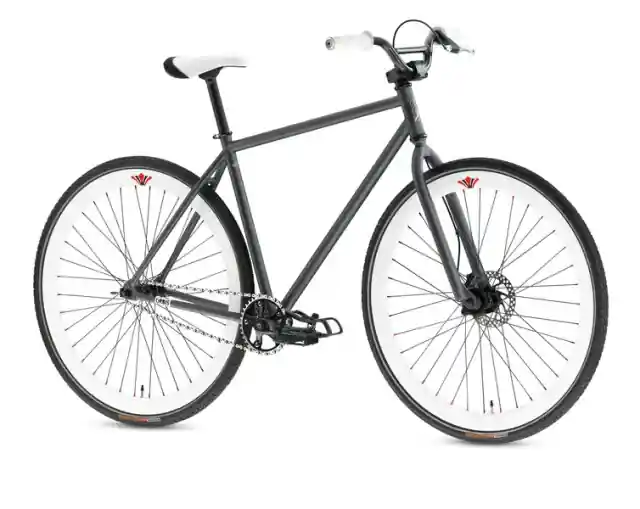
- Frame Material: 4130 Chromoly Steel
- Bottom Bracket: BSA Threaded (68mm)
- Rear Spacing: 130mm
- Motor Required: 68mm variant
- Chainring Offset: 9mm (Achieves a 50mm chainline)
No bottom bracket adapters are required. Installation difficulty is low. The chromoly Urbis platforms offer the same structural durability as the Monocog. The DM02 is the recommended choice for the urban riding context these frames are built for.
R5.2, R760, And R7.1 Road/Commuter (All Years)
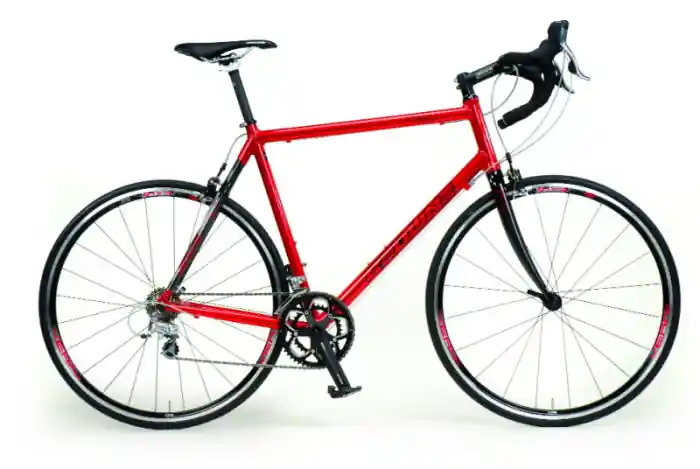
- Frame Material: Aluminum
- Bottom Bracket: BSA Threaded (68mm)
- Rear Spacing: 130mm
- Motor Required: 68mm variant
- Chainring Offset: 9mm (Achieves a 50mm chainline)
No bottom bracket adapters are required. Installation difficulty is low. These road and commuter platforms produce a 50mm corrected chainline against a 130mm rear hub, leaving approximately 5 to 6mm outboard of the ideal road cassette center — identical to the Metro Classic situation. These platforms are best treated as commuter or distance e-bikes rather than performance road machines. The DM02 is the recommended choice.
3. Chainline And Chainring Offset
What Is a Chainline?
Chainline refers to the distance measured in millimeters from the exact longitudinal centerline of your bicycle frame to the centerline of your front chainring teeth. For your drivetrain to function properly, the front chainring must align with the center of the rear cassette. Think of it like a train track — if the rails are not straight and parallel, the train derails. On a bicycle, a misaligned chain creates diagonal friction. Under the 160Nm of the DM01 or the 90Nm of the DM02, that diagonal friction becomes a catastrophic chain drop.
Mid-drive motors naturally push the chainring outward. The raw, uncorrected chainline of a Toseven 68mm motor sits at approximately 59mm from the frame centerline. Left uncorrected, this produces severe cross-chaining in the larger cogs and immediate chain drops under motor torque.
Boost Versus Non-Boost Spacing
All compatible non-BMX Redline frames in this guide use either 130mm or 135mm rear axle spacing — none use modern Boost 148mm spacing. The target front chainline for these frames is 43.5mm to 49mm depending on rear spacing, making the 59mm raw motor chainline approximately 10 to 15mm outboard of ideal before correction.
The Offset Chainring Solution
Offset chainrings move the tooth profile inward toward the frame, reducing the raw chainline figure. Toseven provides 0mm, 3mm, 6mm, and 9mm offset options. The corrected chainline for each offset on all compatible Redline frames using the 68mm motor variant is:
| Offset | Resulting Chainline | Verdict |
|---|---|---|
| 0mm | 59mm | Never use — identical to no correction at all, causes severe cross-chaining |
| 3mm | 56mm | Only for Boost 148mm frames — too far outboard for any Redline in this guide |
| 6mm | 53mm | Use only if 9mm causes chainstay interference |
| 9mm | 50mm | Correct for every compatible Redline frame in this guide |
9mm Offset — Platform-Specific Results
- Monocog 29er and D440/D460 (135mm rear spacing) 50mm corrected chainline sits 1 to 2mm outboard of ideal. Near-perfect alignment. Best shifting performance of any Redline platform in this guide.
- Metro Classic, Metro Sport, R-series, Urbis, PL-26, SQB-26, RL-275 (130mm rear spacing) 50mm corrected chainline sits approximately 5 to 6mm outboard of the ideal cassette center. Shifting across the middle of the cassette will be smooth. The largest cogs will show a slight diagonal chain angle — acceptable for commuting, not ideal for performance road use.
- Conquest Alloy (130mm rear spacing) Same 5 to 6mm outboard result as above.
- Zander (135mm rear spacing) Near-perfect alignment matching the Monocog.
DM01 Casing Clearance Warning
The DM01 motor houses heavy-duty primary reduction gears for its 160Nm output and has a significantly larger motor casing than the DM02. On compact frames — particularly the PL-26, RL-275, and SQB-26 with their wide BMX-style chainstays — a 9mm offset chainring may cause the chainring teeth to contact the motor casing or chainstay. You must always test-fit before final tightening. If the 9mm offset causes interference, step down to the 6mm offset and verify chainline is still acceptable before proceeding.
Why Bad Chainline Is Dangerous Under Motor Torque
On a standard pedal-powered bicycle, a slightly misaligned chainline produces grinding noise and accelerated wear. Under Toseven motor torque those same conditions become critical failures:
- Poor Efficiency The battery drains rapidly as the motor fights diagonal chain friction.
- Gear Skipping The chain skips violently over cassette teeth under load, producing dangerous loss of traction.
- Accelerated Wear Diagonal friction destroys the cassette, chainring, and chain within weeks.
- Chain Derailment Under Torque On a steep climb, the motor torque stretches the chain sideways until it snaps or derails, leaving the rider instantly without power or pedal resistance.
DM01 Vs. DM02 — The Shift Sensor Rule
- Toseven DM01 (160Nm) Includes a mandatory integrated shift sensor. This electronic sensor instantaneously cuts motor power when it detects gear shifter movement, allowing the chain to move to the next gear cleanly before reapplying torque. Shifting behavior is automatic and seamless.
- Toseven DM02 (90Nm) Does NOT include a shift sensor. You, the rider, must act as the shift sensor. The protocol is: pause pedaling — click the shifter — allow the chain to seat — resume pedaling. If you shift while the DM02 is under load, the chain will bind and break. This is not a malfunction — it is a fundamental characteristic of the DM02 that must be understood and respected before the first ride.
4. Frequently Asked Questions
My Redline frame says “Euro BB” on the shell sticker or spec sheet. Is that the same as BSA threaded?
Yes. Euro BB and BSA are two names for the exact same standard. Redline uses the “Euro BB” label on several platforms including the PL-26, RL-275, and SQB-26 because those models cross over between BMX and adult commuter categories, and the BMX industry historically used the Euro name. It is a standard 68mm wide, 1.37-inch diameter threaded shell. If your frame says Euro BB, it is BSA threaded and fully compatible with the 68mm Toseven motor variant.
I have a Redline Flight but I don’t know if it’s the Carbon or the Alloy version. How do I tell?
The easiest method is the magnet test. Hold a magnet against the frame. Carbon fiber is non-magnetic and the magnet will not stick. Aluminum is also non-magnetic. However, the Redline Flight Alloy uses aluminum, not steel, so the magnet test only rules out steel. The definitive method is to look at the frame tubing joins — carbon frames have distinctive smooth, layered tube junctions with no welding. Alloy frames have visible weld beads at every tube junction. If you see welds, it is the alloy version and falls into the 🔴 Not Compatible BMX category. If the joins are smooth and seamless, it is the carbon version covered in Section 1.3.
Can I use the DM01 on my Metro Classic, Monocog, or any other non-carbon Redline?
Yes. Every 🟢 Works Perfectly platform in this guide is fully compatible with both the DM01 and the DM02. The 160Nm DM01 is the better choice if you are hauling cargo, climbing steep hills regularly, or riding off-road. The 90Nm DM02 is the better choice for flat urban commuting where the extra torque of the DM01 is unnecessary and battery efficiency matters more. Carbon platforms are the only frames where the DM01 is prohibited.
My D26 shell measures 74mm, not 68mm. Which motor do I order?
Order the 73mm motor variant. The 73mm axle provides the correct thread protrusion for the lockrings to achieve full clamping engagement on a 74mm shell. Do not order the 68mm variant — the axle will be too short to allow the lockrings to bite properly against the frame. Do not order the 100mm variant — the excess axle length will produce significant spacer management challenges and chainline complications not covered in this guide. The 73mm variant is the correct and only answer for a 74mm D26 shell.
The DM02 doesn’t have a shift sensor — does that mean I can’t use gears at all?
No. You can use all of your gears normally. The only requirement is timing — you must briefly pause your pedaling effort before clicking the gear lever, allow the chain to move to the new gear, then resume pedaling. The motor continues running during this pause but the unloaded chain moves freely. Riders adapt to this rhythm within a few rides. It is the same discipline a motorcyclist uses when changing gears on a manual transmission — deliberate and timed, not automatic. The DM01’s integrated shift sensor automates this process entirely, but the DM02 is fully functional with gear shifting — it simply requires rider awareness.
My Redline is not on the compatibility table. What do I do?
First, measure your bottom bracket shell width face-to-face with a digital caliper and note the internal bore diameter. Then cross-reference against the standards listed in the foundational terms section. If your shell measures 68mm wide and you can see machined threads on the inside wall, it is BSA threaded — use the 68mm motor, no adapters. If the inside wall is smooth, identify the bore diameter: 41mm bore is BB86/PF41, 46mm bore is PF30, 41.2mm bore is Mid BB. If you cannot identify the standard with certainty, contact to7motor.com directly before ordering any hardware.
Do I need the spacer kit even if my frame is BSA threaded and the motor fits cleanly?
Yes, always. The 1mm/2mm Precision Spacer Kit is not optional. Even on a perfectly matched 68mm BSA shell, the spacers serve two non-negotiable functions. First, they center the motor axle precisely inside the frame, which is the only way to achieve a correct chainline. Second, they prevent the primary locknut from bottoming out on the bare axle shoulder rather than clamping against the frame. A locknut that has bottomed out on the axle will feel tight on the wrench but will apply zero clamping force to the frame — leaving the motor loose under torque regardless of how hard you tighten it. Use the spacer kit on every installation without exception.
I have the Conquest alloy but my friend says some Conquests are carbon — how do I know which one I have?
The model name tells you. Redline used three distinct Conquest naming conventions. The base Conquest and Conquest Disc are aluminum — these are the 🟢 Works Perfectly frames. The Conquest Pro, Conquest Expert, and Conquest Elite are the carbon variants — these are the 🟠 DM02 Only frames using PF30. The Conquest Flight Carbon is a separate high-end carbon race frame using BB86 — also 🟠 DM02 Only but with entirely different hardware requirements. If your frame just says “Conquest” or “Conquest Disc” with no Pro, Expert, Elite, or Flight designation, it is the alloy version.
Can I install the Toseven motor myself or do I need a professional mechanic?
On every 🟢 Works Perfectly BSA threaded frame in this guide, an experienced home mechanic with the correct tools can complete the installation in one to two hours using the Toseven video tutorials and illustrated manual included in the kit. The 🟡 D26 installation with Mid-to-BSA adapter cups and retaining compound is more involved and requires careful surface preparation — recommended for experienced builders. The 🟠 carbon platform installations — particularly the Flight Carbon with its 100mm axle, PF41-to-BSA bushings, and extended spacer management — are high-difficulty builds. If you have not done a press-fit bottom bracket installation before, the carbon builds should go to a professional mechanic.
Will the Zander derailleur hanger actually cause problems after conversion?
It can, specifically under the higher torque of the DM01. The Zander was built to a price point, and its derailleur hanger is a known weak point. Under normal pedaling it holds adequately. Under 160Nm of electric motor torque applied in bursts — particularly during hard acceleration in a low gear — the stress on the drivetrain increases substantially. Inspect the hanger for straightness before installing any motor, and consider sourcing a replacement hanger before beginning the build. The DM02’s 90Nm output is gentler on the drivetrain and reduces this risk significantly.
My Redline is a Roam. The article says it’s not compatible — why can’t I just use an adapter?
The Roam uses an American BB shell — a massive, smooth, threadless bore of 51.3mm. Any adapter pressed into this bore relies entirely on friction to resist the motor’s rotational torque. The Toseven DM02 produces 90Nm of torque — more than enough to spin a friction-only insert inside a 51.3mm smooth steel bore under hard acceleration. When the adapter spins, the motor casing rotates against the frame, the chain snaps, and the bicycle becomes immediately unrideable. While advanced builders using flanged adapters with chemical retaining compounds can theoretically make this conversion work, the process falls outside the scope of a standard Toseven installation and the failure mode if done incorrectly is a crash risk. The Roam is not a recommended conversion platform.