Why Cannondale Is a Tier-One Engineering Challenge
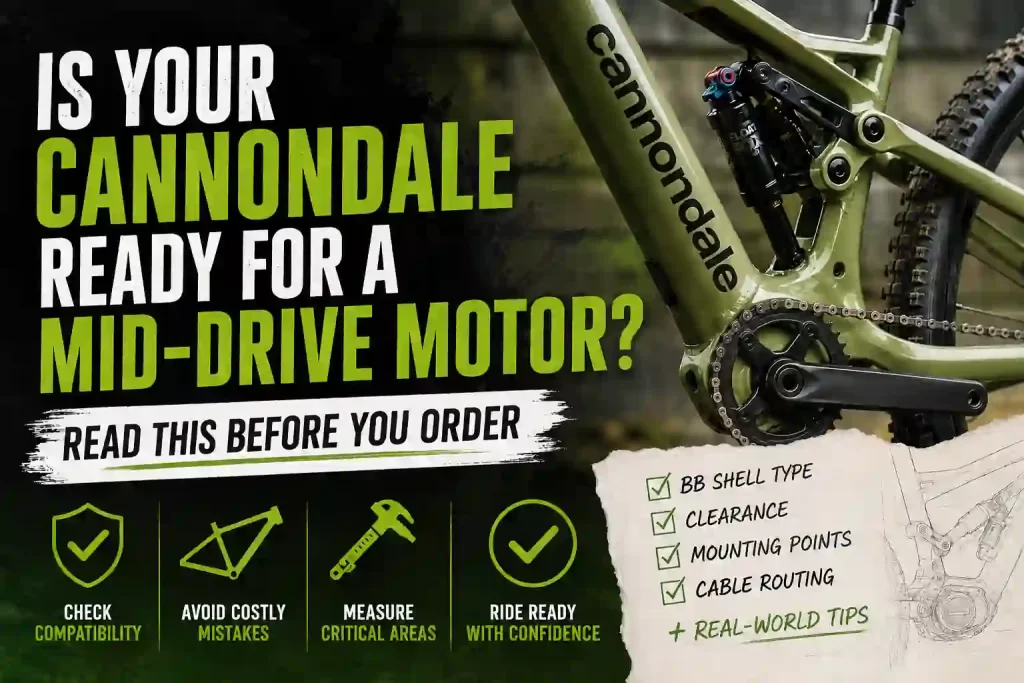
Cannondale bicycles represent one of the richest — and most mechanically complex — donor pools for mid-drive electrification. Founded in 1971, the American brand built its reputation on radical structural innovation: monocoque aluminum construction, the BB30 bottom bracket standard introduced in 2000, the asymmetric AI (Asymmetric Integration) rear triangle geometry, and the proprietary BBRIGHT hybrid shell. This engineering legacy makes Cannondale frames exceptionally capable platforms — and among the most demanding to convert correctly.
The core challenge: Cannondale has not standardized on a single bottom bracket architecture across its production history. Within a single model year, you may encounter a BSA threaded shell on an aluminum Trail hardtail, a BB30A asymmetric press-fit on a carbon F-Si, a BBRIGHT hybrid shell on a carbon Topstone, and a proprietary Bosch motor cavity on a Moterra e-bike. Each presents a distinct conversion scenario — some straightforward, some requiring specialized CNC hardware, some outright incompatible.
This guide analyzes every major Cannondale production platform from 2018 through 2026. It specifies, to the millimeter and Newton-meter, what is required for a safe and durable TOSEVEN DM01 or DM02 installation on each frame.
 Before You Continue
If your Cannondale is a Moterra, Neo, or any other factory-integrated e-bike model — it is not convertible. The motor cavity is designed exclusively for the OEM Bosch drive system. No standard bottom bracket shell of any type is present.
Key Terms To Navigate This Guide — Read First
Every term below appears throughout this guide by its abbreviated English name. These definitions are your reference point for every compatibility decision that follows.
BSA (British Standard Cycle) — Threaded Shell
The traditional threaded bottom bracket standard. Internal diameter 33.6–34.8 mm, shell width 68 mm or 73 mm. Internal threads are machined directly into the metal shell. This is the optimal standard for TOSEVEN motors — the 33.5 mm motor axle slides cleanly through the shell, and the lockring nuts thread onto the axle on both sides to clamp the motor against the shell faces.
BB30 (Bottom Bracket 30) — Threaded, 42 mm × 68 mm
Cannondale’s proprietary standard, introduced in 2000. Internal diameter 42 mm, shell width 68 mm. Unlike BSA, the bearing races thread directly into the larger-diameter shell bore — not the motor axle. Converting to TOSEVEN requires CNC-machined BB30-to-BSA reducer bushings that step the 42 mm bore down to the 33.5 mm motor axle diameter while distributing the full 160 Nm motor torque across the shell wall circumference.
PF30 (Press-Fit 30) — Smooth Bore, 42 mm × 68 mm
Dimensionally identical to BB30 (42 mm × 68 mm) but the internal bore is completely smooth — no machined threads. Bearing cups are pressed in under mechanical force. Conversion requires PF30-to-BSA CNC reducer bushings engineered specifically for a press interference fit (H7/p6 tolerance class or tighter) to prevent radial slip under dynamic torque loading.
BB30A / PF30A (Asymmetric) — 42 mm × 73 mm Offset
The mountain and gravel variant of BB30/PF30. Same bore diameter (42 mm) but shell width is 73 mm and asymmetric — the drive-side (right) face is offset outboard by 5 mm relative to the frame centerline, deliberately shifting the chainring position to optimize chainline with Boost 148 rear spacing. Conversion requires asymmetric eccentric CNC reducer bushings that re-center the motor axle relative to the frame’s geometric center. Standard BB30 symmetric bushings will not work — they produce a 5 mm chainline bias error.
BBRIGHT — Cannondale’s Hybrid Standard, 79 mm × 42/41 mm
A hybrid design: drive side (right) uses a 42 mm bore matching BB30; non-drive side (left) uses a 41 mm bore matching BB86. Total shell width is 79 mm. Found on certain Topstone Carbon models (2020–2022). Conversion requires purpose-made asymmetric hybrid bushings that address both the different bore diameters on each side and the 79 mm total width — the most mechanically demanding configuration in this guide.
AI (Asymmetric Integration)
Cannondale’s proprietary rear triangle geometry. The right chainstay (drive side) is shorter than the left by a calculated offset, widening the frame opening for larger tires without compromising chainline. AI directly affects chainline target values. On Boost 148 + AI platforms, the chainline target shifts from the standard 50 mm to 52.5 mm, requiring a 9 mm offset chainring at the motor.
Boost Spacing — 148 mm Rear Axle
Modern hub standard with a 148 mm rear axle width, wider than the traditional 135 mm or 142 mm. Boost spacing pushes the rear cassette outboard by 3 mm, shifting the chainline target. On Cannondale mountain bikes, Boost is almost always paired with AI geometry — compounding the chainline offset. A 9 mm offset chainring is mandatory on virtually all modern Cannondale hardtail and full-suspension mountain platforms.
SmartForm Premium Alloy
Cannondale’s proprietary aluminum alloy — a 6013 T6 or 7005 T6 variant with butted tube walls (thicker at high-stress junctions, thinner through the middle). Yield strength approximately 275 MPa. Both DM01 and DM02 are approved on SmartForm frames. Lockring torque range: 35–50 Nm depending on the specific shell width and wall thickness.
BallisTec Carbon
Cannondale’s high-modulus carbon fiber layup system. Engineered with directional fiber orientations calibrated for bicycle-specific load vectors — axial tension, axial compression, and in-plane bending. External radial clamping forces from a motor lockring are outside the design load envelope. DM01 is strictly prohibited on all BallisTec frames. DM02 requires protective interface pads and a hard lockring torque limit of 35–40 Nm.
Shift Sensor (Gear Interrupt)
A mandatory integrated component of all TOSEVEN DM01 kits. Detects shift cable movement and cuts motor power output for 100–300 milliseconds during the gear transition, allowing the chain to migrate across cassette teeth without absorbing the full 160 Nm motor torque. The DM02 kit does not include a shift sensor — riders must manually reduce pedal input during gear changes to unload the chain.
Three Universal Rules — Applied To Every Cannondale Platform
First — BallisTec Carbon Torque Limits: DM01 Strictly Prohibited
The TOSEVEN DM01 generates a peak torque output of 160 Newton-meters. Securing the DM01 against a bottom bracket shell requires lockring torque values that produce radial clamping forces exceeding the compressive capacity of BallisTec Carbon layup structures at the shell face perimeter. Progressive shell crushing initiates at the outer laminate layers and propagates inward over repeated loading cycles — often invisibly, until structural integrity has been substantially compromised.
 Absolute Prohibition
The DM01 motor is strictly prohibited on every BallisTec Carbon Cannondale frame without exception — regardless of bottom bracket standard, model year, trim level, or lockring torque setting. There are no exceptions. DM02 only on all carbon frames.
Second — Primary Lockring Torque On Carbon Frames
When installing the DM02 on any BallisTec Carbon Cannondale frame, the primary bottom bracket lockring torque must be set between 35 and 40 Newton-meters using a calibrated torque wrench. Do not rely on tactile feel. Exceeding this limit — even by 5 Nm — introduces compressive stress at the carbon shell face that accumulates over hundreds of high-torque pedaling cycles. Protective interface pads between the motor housing and the carbon shell face are mandatory on every carbon installation without exception.
Third — Motor Axle Width Must Match Shell Width
TOSEVEN DM01 is available in 68 mm, 73 mm, 100 mm, 110 mm, and 120 mm axle variants.
TOSEVEN DM02 is available in 68 mm, 73 mm, 100 mm, and 110 mm axle variants.
For all standard Cannondale production frames within this guide’s scope, only the 68 mm and 73 mm variants are relevant. No Cannondale production frame from 2018 through 2026 uses a shell width that requires 100 mm or wider motor variants.
 Factory Support Notice
Every TOSEVEN motor order ships with a factory-supplied 1 mm and 2 mm precision spacer kit and the correct CNC reducer bushing set matched to your specific Cannondale bottom bracket standard. You do not need to source adapter hardware independently. Always use factory-supplied components — third-party adapters with incorrect machining tolerances are the primary cause of installation failures and warranty voids.
Read This Before The Compatibility Table
Each compatibility status in the table below has a specific engineering meaning. Do not treat yellow as a warning — it is a defined hardware pathway. Do not assume orange means “try it carefully” — it means DM02 exclusively, with mandatory carbon protocols applied without exception.
 Works Perfectly
 Works Well
 DM02 Only — Carbon Caution
 Not Compatible
All Major Cannondale Platforms — 2018 Through 2026
| Model Name | Frame Material | BB Standard | Compatibility Status | Key Notes |
|---|---|---|---|---|
| Mountain — Hardtail | ||||
| Trail (All Generations) | SmartForm C2 Alloy | BSA Threaded (73mm) | Works Perfectly | Use 73mm motor variant. 9mm offset chainring for 52.5mm chainline on Boost 148 + AI models. Verify Boost vs. Non-Boost by model year. |
| Trail SL (2020+) | SmartForm C1 Alloy | BSA Threaded (73mm) | Works Perfectly | Boost 148 + AI throughout production. 9mm offset chainring mandatory. Both DM01 and DM02 recommended. |
| F-Si (Aluminum, 2018+) | SmartForm C1 Alloy | BSA Threaded (73mm) | Works Perfectly | Boost 148. 9mm offset chainring for 52.5mm chainline. Both DM01 and DM02 compatible. |
| F-Si (Carbon, 2018–2021) | BallisTec Carbon | PF30A (42mm × 73mm Asymmetric) | DM02 Only | Asymmetric PF42-to-BSA CNC eccentric bushings required. Universal carbon rules apply. Installation difficulty: high. |
| CAAD13 (2019+) | SmartForm C1 Alloy | BSA Threaded (68mm) | Works Perfectly | Use 68mm motor variant. Best alloy road platform in the Cannondale lineup for conversion. DM02 recommended. |
| CAAD12 (2016–2018) | SmartForm C1 Alloy | BSA Threaded (68mm) | Works Perfectly | Use 68mm motor variant. Non-Boost 130mm rear spacing. Excellent urban commuter conversion platform. |
| Mountain — Full Suspension | ||||
| Scalpel (Aluminum, 2019+) | SmartForm C1 Alloy | BSA Threaded (73mm) | Works Perfectly | Full compression travel test mandatory before finalizing chain length. Verify motor housing clearance from linkage arms at full compression. |
| Scalpel Carbon (2021+) | BallisTec Carbon | BSA Threaded (73mm) | DM02 Only | No reducer bushings required. FlexPivot suspension — chain growth must be measured empirically. Universal carbon rules apply. |
| Jekyll (Aluminum, 2022+) | SmartForm C1 Alloy | BSA Threaded (73mm) | Works Perfectly | DYAD suspension system. Verify motor housing clearance from both linkage arms at full compression. Both DM01 and DM02 compatible. |
| Jekyll Carbon (2022+) | BallisTec Carbon | BSA Threaded (73mm) | DM02 Only | Universal carbon rules apply. DYAD suspension increases complexity of full-compression chain growth verification. |
| Habit (Aluminum, 2018–2021) | SmartForm C1 Alloy | BSA Threaded (73mm) | Works Perfectly | 130mm rear travel. Full suspension compression chain growth test mandatory. Both DM01 and DM02 compatible. |
| Moterra (All Generations) | SmartForm / BallisTec | Proprietary Bosch Cavity | Not Compatible | Factory-integrated e-bike. No standard BB shell present. Cannot be converted using any TOSEVEN hardware. |
| Gravel & Road | ||||
| Topstone (Aluminum, 2019+) | SmartForm C2 Alloy | BSA Threaded (68mm) | Works Perfectly | The easiest Cannondale conversion platform overall. Use 68mm motor variant + 9mm offset chainring for 50mm chainline. Both DM01 and DM02 recommended. |
| Topstone Carbon (2020–2022) | BallisTec Carbon | BBRIGHT (79mm × 42/41mm Hybrid) | DM02 Only — Advanced | Most mechanically complex conversion in this guide. Requires asymmetric hybrid BBRIGHT-to-BSA bushings. Extensive spacer management mandatory. Professional installation only. |
| Topstone Carbon (2023+) | BallisTec Carbon | BSA Threaded (68mm) | DM02 Only | Switched from BBRIGHT to BSA from 2023. No reducer bushings required. Universal carbon rules apply. |
| SuperSix EVO (Aluminum) | SmartForm C1 Alloy | BSA Threaded (68mm) | Works Perfectly | Use 68mm motor variant. Best suited as a high-speed urban commuter build. DM02 recommended. |
| SuperSix EVO (Carbon) | BallisTec Carbon | BB30 (42mm × 68mm) | DM02 Only | BB30-to-BSA CNC reducer bushings required. Universal carbon rules apply. |
| Synapse (Aluminum) | SmartForm C2 Alloy | BSA Threaded (68mm) | Works Perfectly | Use 68mm motor variant. Endurance geometry provides excellent stability under motor load and battery weight. |
| Synapse (Carbon) | BallisTec Carbon | BB30 (42mm × 68mm) | DM02 Only | BB30-to-BSA CNC reducer bushings required. Universal carbon rules apply. |
| Urban & Hybrid | ||||
| Quick (All Generations) | SmartForm C2 Alloy | BSA Threaded (68mm) | Works Perfectly | Best urban Cannondale conversion platform. DM02 recommended. Installation difficulty: low. Spacious front triangle for large battery packs. |
| Treadwell (All Generations) | SmartForm C2 Alloy | BSA Threaded (68mm) | Works Perfectly | Use 68mm motor variant. Upright geometry and wide front triangle accommodate down-tube battery placement cleanly. |
| Bad Boy (2018+) | SmartForm C1 Alloy | BSA Threaded (68mm) | Works Perfectly | Use 68mm motor variant. SmartForm C1 frame handles full DM01 torque load without concern. Both DM01 and DM02 compatible. |
Cannondale’s Proprietary BB Standards: A Complete Engineering Analysis
If there is one section of this guide you must read with full attention, it is this one. The bottom bracket shell is the mechanical heart of the bicycle — the transverse cylindrical housing at the lowest point of the frame where the pedal crankset attaches. In a mid-drive conversion, the TOSEVEN motor axle must pass completely through this shell. Because Cannondale has used more than five distinct bottom bracket standards across its production history, understanding your frame’s specific shell architecture is the difference between a precision installation and a costly structural failure.
BB30 — 42 mm × 68 mm Threaded
BB30 is Cannondale’s original proprietary standard. Its 42 mm internal diameter is 8.5 mm larger than a BSA shell’s 33.5 mm clearance diameter. Inserting the TOSEVEN motor axle directly into a BB30 shell without adapters produces a 4.25 mm radial gap on each side — sufficient clearance for catastrophic wobble and radial displacement under motor torque.
The engineering solution: CNC-machined BB30-to-BSA reducer bushings manufactured from 6061-T6 aluminum. These precision components step the bore from 42 mm down to 33.5 mm while distributing the 160 Nm motor torque uniformly across the full shell wall circumference, preventing the stress concentration that causes shell cracking under repeated high-torque loading.
Critical: Do Not Confuse BB30 and PF46 BushingsBB30 bore diameter is 42 mm. PF46 bore diameter is 46 mm. Bushings are not interchangeable. Using PF46 bushings in a BB30 shell produces a loose, dangerous fit. Verify the bore diameter of your specific shell before ordering reducer bushings.
PF30 — Press-Fit, 42 mm × 68 mm (Smooth Bore)
PF30 shares BB30’s bore dimensions (42 mm × 68 mm) but the bore is completely smooth — bearing cups are pressed in under mechanical force using a bearing press tool. In the conversion context, this means reducer bushings cannot rely on any thread engagement to resist rotation. The bushing must achieve its anti-rotation resistance entirely through radial interference compression against the bore wall.
Bushing-to-bore interference fit must fall within the H7/p6 or tighter tolerance class. Bushings manufactured to looser tolerances will produce progressive rotation under motor torque — first detectable as a faint creaking, eventually resulting in measurable bushing slip and chainline drift.
Do Not Use BB30 Bushings in a PF30 ShellDespite identical nominal bore dimensions, bushings designed for BB30’s threaded bore rely partly on thread-form geometry for retention. In a PF30’s smooth bore, this retention mechanism is absent. Use only bushings specifically designed and tolerance-matched for PF30 press-fit shells.
BB30A / PF30A — Asymmetric, 42 mm × 73 mm
BB30A/PF30A is the most mechanically nuanced standard in this guide. The “asymmetric” designation means the shell’s geometric center does not coincide with the frame’s longitudinal centerline — the drive-side (right) face is offset outboard by 5 mm. This deliberate offset positions the chainring outboard to optimize chainline alignment with Boost 148 rear spacing, reducing the offset chainring requirement.
The conversion challenge: a standard (symmetric) BB30 reducer bushing installed in a BB30A shell will center the motor axle at the shell’s geometric center — which is 5 mm outboard of the frame centerline. The resulting chainline error of 5 mm produces severe angular chain loading on all cassette positions, dramatically accelerating drivetrain wear under the sustained high-torque output of the TOSEVEN motor.
The mandatory solution: Asymmetric eccentric CNC reducer bushings designed specifically for BB30A/PF30A. These bushings intentionally position the motor axle at the frame’s true geometric center rather than the shell’s offset center, compensating the 5 mm asymmetry and restoring correct chainline geometry.
Asymmetric Eccentric Bushings Only — No ExceptionsFor BB30A / PF30A shells: only asymmetric eccentric reducer bushings designed specifically for this standard will produce a safe, correctly aligned installation. Standard BB30 symmetric bushings will not work. Contact TOSEVEN directly to confirm the correct bushing specification for your specific model and production year before ordering.
BBRIGHT — Cannondale’s Hybrid Standard, 79 mm × 42/41 mm
BBRIGHT is the most demanding configuration in this guide. It combines two different bore diameters on each side of the same shell — 42 mm on the drive side and 41 mm on the non-drive side — with an overall shell width of 79 mm that exceeds the range of all standard reducer bushing systems. A purpose-made hybrid bushing set must address three simultaneous engineering constraints: different bore diameters on each face, the 79 mm total shell width (6 mm wider than a standard 73 mm shell), and the BallisTec Carbon lockring torque limit.
Installation Difficulty: Advanced — Professional OnlyTopstone Carbon 2020–2022 with BBRIGHT standard requires direct coordination with TOSEVEN engineering to confirm the correct hybrid bushing specification. No combination of third-party adapters reliably addresses both the bore diameter asymmetry and the 79 mm shell width simultaneously. Do not proceed without factory-confirmed hardware.
BSA Threaded — The Optimal Standard, 68 mm or 73 mm
BSA is the ideal case. The internal bore diameter of 33.6–34.8 mm matches the TOSEVEN motor axle (33.5 mm) with a mechanical clearance tolerance that allows clean axle insertion without force. Internal threads accept the lockring nuts directly. No reducer bushings. No press-fit tools. No asymmetric compensation required. The motor slides in, both locknuts thread onto the axle from each side, and torque is applied with a calibrated wrench.
 BSA Threaded — Direct Drop-In Installation
No reducer bushings. No adapter hardware. Motor axle enters cleanly. Locknuts engage directly on both sides. Installation difficulty: low. This is the reason Cannondale Trail, Topstone Alloy, Quick, CAAD12, and CAAD13 are the strongest conversion candidates in the lineup.
SmartForm Alloy vs. BallisTec Carbon — Torque Limits and Structural Integrity
SmartForm C1 and C2 Alloy Frames
SmartForm is Cannondale’s proprietary aluminum alloy family — either a 6013 T6 or 7005 T6 variant with double or triple-butted tube walls. Butted wall construction means the shell junction areas carry greater wall thickness where stress concentrations are highest, while tube mid-sections are thinned to reduce weight. This architecture provides excellent resistance to the radial clamping forces produced by motor lockring installation.
At a lockring torque of 50 Nm applied to a 73 mm SmartForm shell, the resulting radial compressive stress at the shell face perimeter is approximately 12–15% of the 6013 T6 yield strength (275 MPa) — a comfortable safety margin well within the elastic deformation regime. Both DM01 and DM02 operate safely within the structural envelope of all SmartForm alloy frames in this guide.
BallisTec Carbon Frames
BallisTec Carbon uses high-modulus fiber layups oriented at 0°, 45°, and 90° relative to the tube axis. These orientations are optimized for three primary load vectors: axial tension (from rider weight and climbing loads), axial compression (from braking forces), and in-plane bending (from handlebar and saddle loads during cornering). The laminate architecture is explicitly not designed to resist external radial clamping forces applied at the shell end faces.
Lockring torque exceeding 40 Nm on a BallisTec shell introduces compressive stress perpendicular to the primary fiber orientation at the shell face. The outer laminate layers — which bear the highest stress in this loading mode — begin micro-cracking at stress concentrations around the shell perimeter. This damage is not visible on the surface in its early stages. It accumulates over repeated high-torque pedaling cycles until delamination propagates inward toward the structural plies.
Absolute Rules — All BallisTec Carbon Frames1. DM01 is strictly prohibited on every BallisTec Carbon frame without exception.
2. DM02 lockring torque must not exceed 40 Nm under any circumstances. Use a calibrated torque wrench.
3. Protective interface pads between the motor housing face and the carbon shell face are mandatory on every installation.
4. Pre-installation structural inspection by a qualified technician is strongly recommended on frames with any prior impact history.
Chainline Alignment and AI (Asymmetric Integration) Offset Engineering
Chainline is the imaginary straight line running from the center plane of the front chainring to the center of the rear cassette. A perfect chainline means the chain runs without lateral deflection through the entire drivetrain — the condition under which chain and cassette wear rates are minimized and shifting is instantaneous. Under TOSEVEN DM01 motor torque of 160 Nm, a chainline error that would cause modest wear under human pedaling accelerates drivetrain wear by a factor of four to eight. Getting this right before the first ride is not optional.
How AI (Asymmetric Integration) Changes Your Chainline Target
Cannondale’s AI rear triangle geometry offsets the drive-side chainstay outboard relative to a conventional frame, which shifts the cassette position outboard and changes the chainline target. On AI-equipped frames, the standard 50 mm chainline target used on conventional non-Boost frames does not apply.
- Non-Boost + No AI: Chainline target = 47–50 mm — use 0 mm or 3 mm offset chainring
- Boost 148 + AI (most modern Cannondale MTB): Chainline target = 52.5 mm — use 9 mm offset chainring (mandatory)
- Super Boost 157 + AI: Chainline target = 56 mm — contact TOSEVEN for a custom offset chainring specification
Professional Chainline Measurement Protocol
- Remove the original crankset completely.
- Using a Vernier caliper, measure the distance from the frame’s longitudinal centerline to the center of the rear cassette (middle cog position).
- Install the motor into the shell with the appropriate reducer bushings and spacers.
- Measure the distance from the motor axle center to the frame centerline with the motor seated.
- The two measurements must agree within ± 1 mm. If the deviation exceeds 1 mm: adjust via spacers from the factory spacer kit, or select a chainring with a different offset value.
- After installing the chainring and crankarm, verify final chainline measurement before first ride.
Available TOSEVEN Chainring Offset Variants0 mm offset: Non-Boost, non-AI frames — chainline approximately 47–48 mm.
3 mm offset: Fine adjustment for near-standard chainline targets — approximately 50 mm.
9 mm offset: Boost 148 + AI frames — chainline 52.5 mm. Mandatory on virtually all modern Cannondale mountain platforms.
Contact TOSEVEN with your exact rear axle spacing and AI status for a confirmed offset recommendation before ordering.
Deep Dive: Every Major Cannondale Platform
1. Cannondale Trail — All Generations (2018–Present)
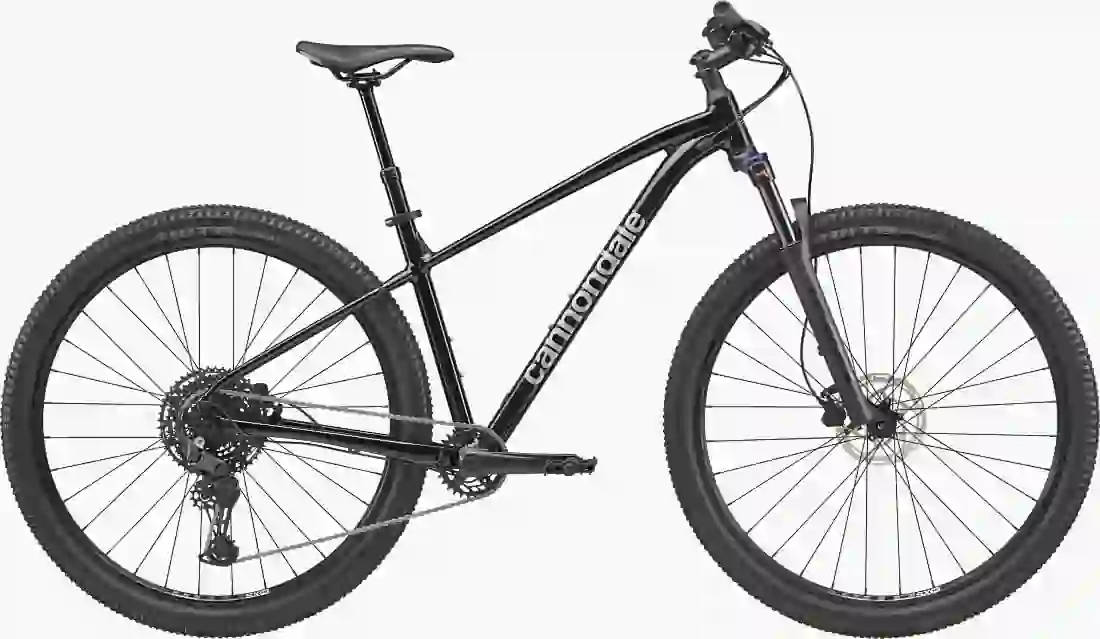
The Cannondale Trail is the most accessible platform in the Cannondale lineup for mid-drive conversion. SmartForm C2 alloy withstands DM01’s full 160 Nm torque output without structural concern. The BSA 73 mm threaded shell requires no reducer bushings — the motor axle enters directly, and the lockring nuts engage on both sides for a solid, vibration-resistant installation.
Critical verification point: Determine whether your specific Trail model year uses Boost 148 mm rear spacing or Non-Boost before ordering the motor. Boost 148 with AI geometry requires the 9 mm offset chainring for a correct 52.5 mm chainline. Non-Boost variants (pre-2019) use a 0 mm or 3 mm offset chainring for a 47–50 mm chainline. The transition from Non-Boost to Boost occurred inconsistently across the 2018–2019 production window — check your specific model year’s specification sheet.
Trail — Strongest Entry-Level Conversion PlatformBSA 73mm + SmartForm C2 = minimum hardware, maximum reliability. Ideal first conversion for builders new to mid-drive installation. Both DM01 and DM02 are fully recommended across all Trail generations.
2. Cannondale F-Si Carbon (2018–2021) — PF30A Asymmetric
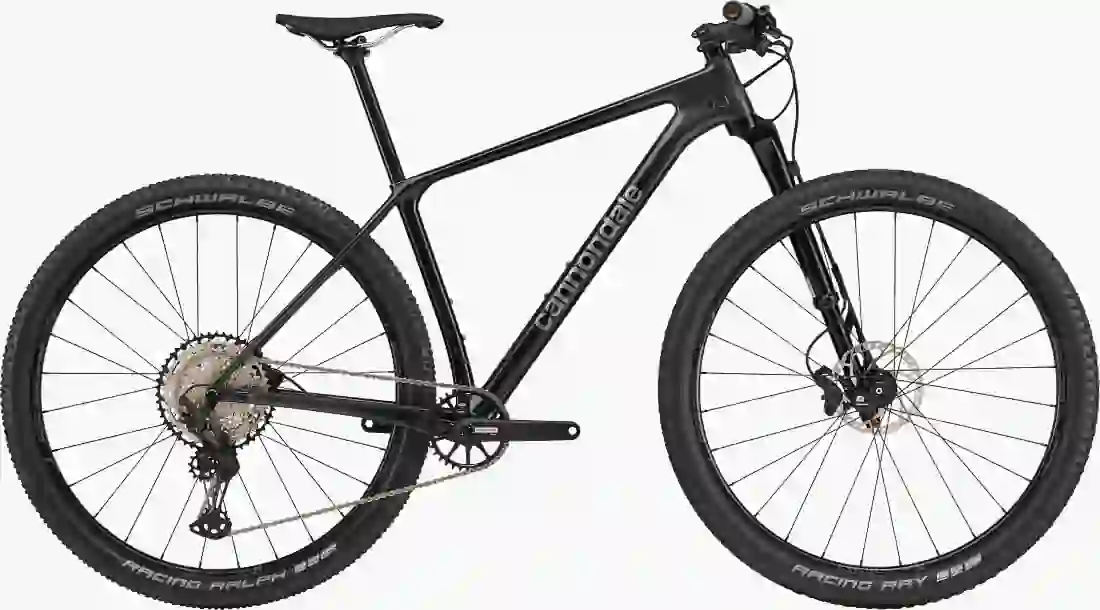
The F-Si Carbon concentrates three independent engineering challenges into a single conversion: BallisTec Carbon prohibits DM01 and mandates the 35–40 Nm torque ceiling; the PF30A asymmetric shell requires purpose-made eccentric bushings; and the Boost 148 + AI geometry mandates careful chainline verification after the asymmetric bushing offset has been applied.
PF30A installation protocol: (1) Use a proper bearing press tool — do not drive bushings in with a mallet. Impact installation produces uneven seating and stress concentrations in the carbon bore. (2) Confirm the drive-side and non-drive-side bushing orientations before pressing — asymmetric eccentric bushings are not interchangeable between sides. (3) Apply protective interface pads to both shell faces before installing the motor housing. (4) Torque the primary lockring to no more than 38 Nm. (5) Verify chainline with a caliper before the first test ride — the eccentric offset of the asymmetric bushing must be confirmed to have correctly re-centered the motor axle.
3. Cannondale Scalpel Carbon (2021+) — FlexPivot Suspension
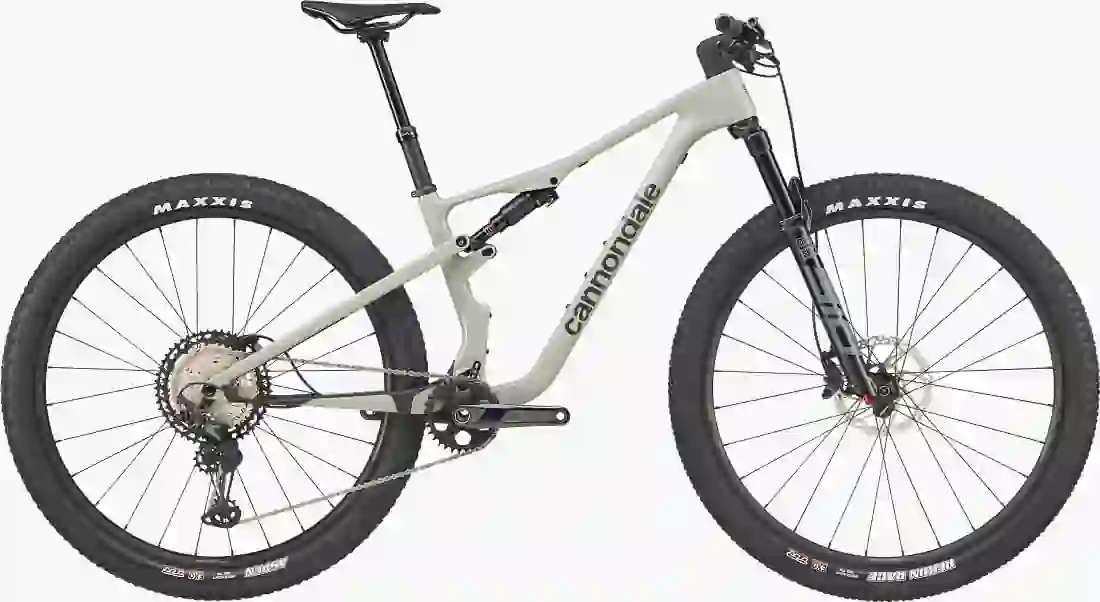
Scalpel Carbon from 2021 uses BSA Threaded 73 mm — eliminating the need for reducer bushings and simplifying the bottom bracket installation step. The engineering complexity on this platform is concentrated in the FlexPivot rear suspension system: unlike conventional pivot-and-linkage designs, FlexPivot uses engineered carbon fiber flex zones as the pivot mechanism. There are no rotating bearings in the suspension pivot. Chain growth measurement from published data for conventional full-suspension frames does not transfer to this system — it must be measured empirically on each individual frame.
FlexPivot Chain Growth — Mandatory Empirical MeasurementRemove the rear shock. Manually cycle the rear suspension through its full 60 mm travel. Measure the change in distance between the bottom bracket center and the rear axle center at 0% and 100% compression using a tape measure fixed between both points. Do not estimate from Scalpel alloy figures or any other frame reference. The FlexPivot flex kinematics are unique to each production generation and cannot be reliably interpolated.
4. Cannondale Topstone Aluminum (2019+) — The Optimal Platform
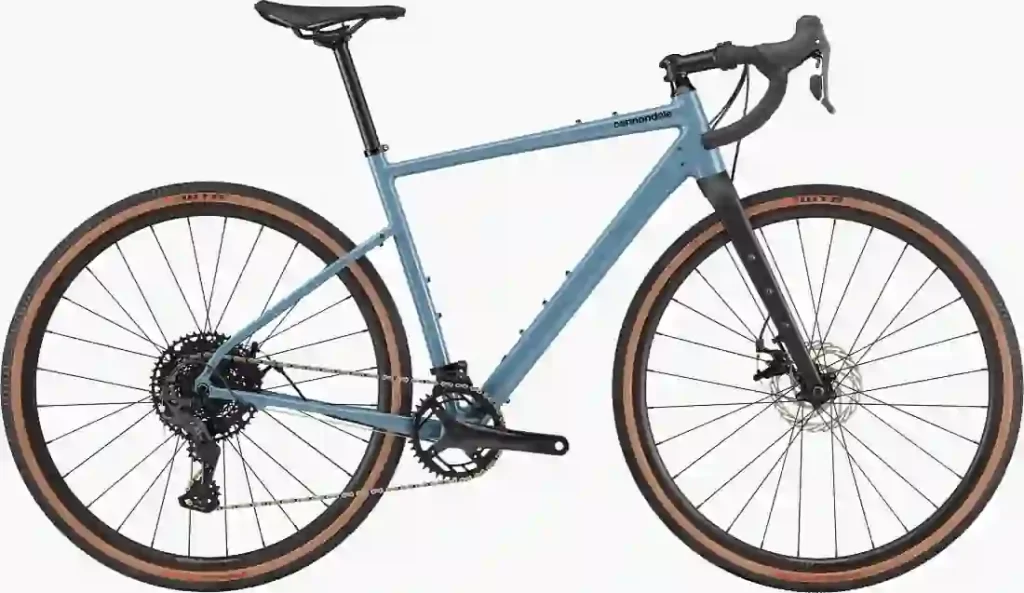
The Topstone Aluminum is the single strongest conversion candidate in the entire Cannondale lineup. BSA 68 mm threaded shell on a SmartForm C2 alloy frame — no bushing hardware, no press-fit tools, no asymmetric compensation. The Topstone’s spacious front triangle accommodates down-tube battery packs up to 48V/20Ah without clearance issues. The gravel geometry’s slack head angle and low center of gravity make the converted machine exceptionally stable under combined rider and battery mass at speed.
Both DM01 and DM02 are fully recommended. DM01 for long-distance loaded gravel and rough terrain where the full 160 Nm torque output is utilized. DM02 for everyday mixed-surface commuting where weight and power modulation matter more than peak torque.
5. Cannondale Topstone Carbon — BBRIGHT (2020–2022)
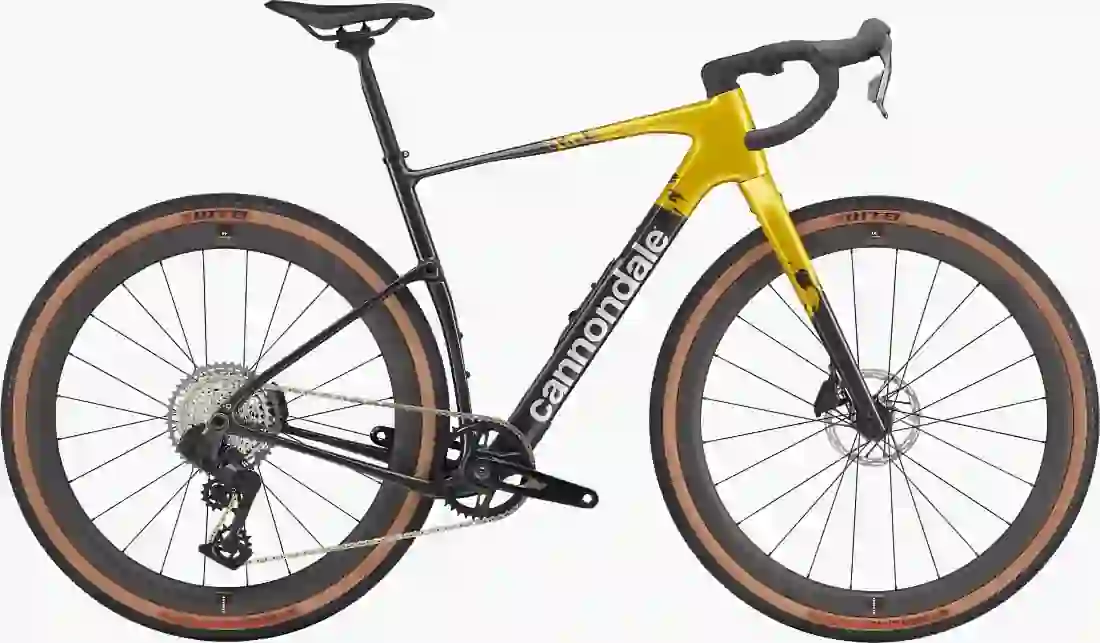
The Topstone Carbon BBRIGHT (2020–2022) is the most mechanically demanding conversion in this guide. Three independent constraints must be resolved simultaneously: BallisTec Carbon requires DM02 with the 35–40 Nm torque ceiling and mandatory interface pads; BBRIGHT’s asymmetric bore diameters (42 mm right, 41 mm left) require a hybrid bushing set that addresses each side independently; and the 79 mm total shell width requires spacer management to allow correct locknut thread engagement on the motor axle.
The Kingpin rear suspension adds a final variable: 30 mm of travel produces measurable chain growth that must be verified before finalizing chain length. At 30 mm travel the chain growth magnitude is small — typically 3–6 mm — but must be measured empirically rather than assumed.
Contact TOSEVEN Before Ordering HardwareThe BBRIGHT conversion requires direct pre-order consultation with TOSEVEN engineering to confirm the correct hybrid bushing specification. No combination of third-party adapters reliably addresses both the bore diameter asymmetry and the 79 mm shell width simultaneously. Do not proceed without factory-confirmed hardware.
6. Cannondale Jekyll Aluminum (2022+) — DYAD Suspension
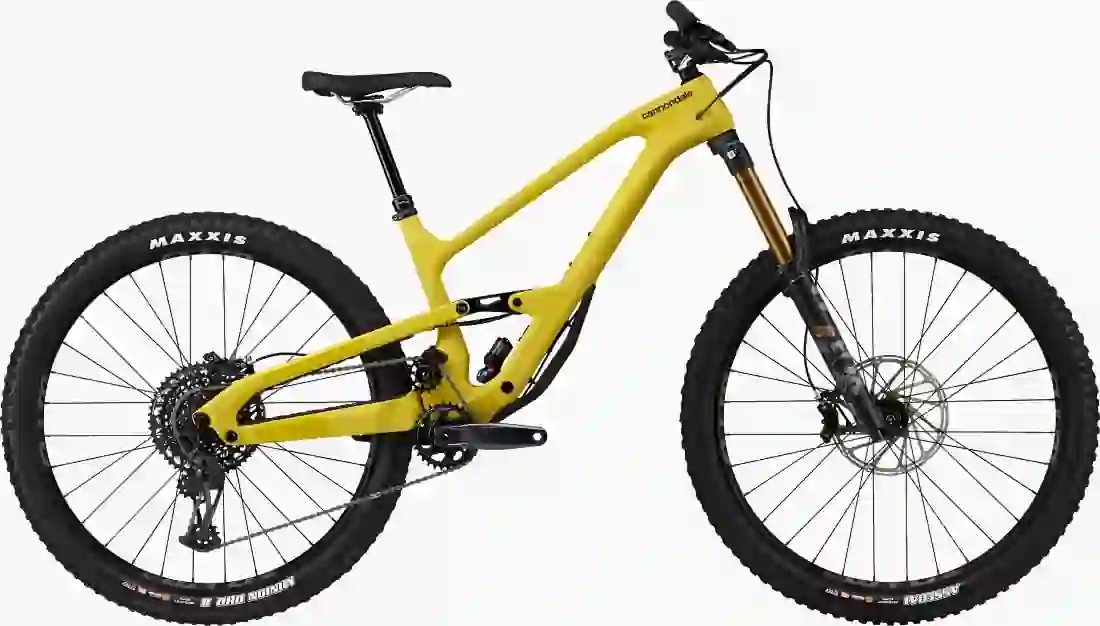
The Jekyll’s SmartForm C1 alloy and BSA 73 mm shell make the bottom bracket installation itself straightforward. The DYAD suspension system introduces the critical complexity: it operates in two distinct travel modes via a cable-actuated lockout, producing different chain growth values in each mode. Both travel positions must be evaluated — remove the rear shock and manually cycle the suspension through full travel in each DYAD mode. Use the larger of the two chain growth measurements to determine safe chain length, and verify motor housing clearance from the linkage arms in the longer-travel (160 mm) mode.
Battery Placement and Cable Routing on Cannondale Frames
Battery Positioning — Weight Distribution Fundamentals
Battery position determines where the system’s center of gravity falls — and therefore how the converted bicycle handles. A 48V/17Ah battery weighs between 4 and 6 kg depending on cell chemistry and housing construction. Placing this mass high on a rear rack shifts the center of gravity upward and rearward, reducing front wheel load and producing the instability under braking and cornering that experienced riders describe as “nervous” handling.
The engineering optimum is low and central. On Cannondale Trail, Topstone Alloy, and CAAD platforms, the front triangle is spacious enough to accommodate down-tube mounting of large battery packs — placing the battery mass at the lowest accessible point of the frame, nearest the bottom bracket, where its effect on handling dynamics is minimized.
Front Triangle Clearance on Carbon Frames
BallisTec Carbon frames — Topstone Carbon, Scalpel Carbon, F-Si Carbon, Jekyll Carbon — feature complex internal tube geometries and internal cable routing channels that constrain the effective battery envelope. Before purchasing a battery pack for a carbon Cannondale, physically measure the internal front triangle dimensions at the widest and narrowest points, accounting for any tube bulges or internal routing channels that protrude into the triangle space. Battery housing dimensions must be verified against these measured clearances — not against the outer triangle dimensions shown in geometry charts.
Internal Cable Routing — Cannondale-Specific Considerations
Modern Cannondale frames use fully internal cable routing for shift and brake lines. This routing infrastructure can be utilized for motor power and control cables — but requires careful verification. Motor power cables typically have an outer diameter of 5–8 mm depending on the conductor cross-section. Internal routing channels designed for shift cables (typically 4–5 mm outer diameter) may not accept motor cables without removal of all existing cables from the channel and careful inspection for sharp bends or tight radius turns that would compromise motor cable insulation over time.
Electrical Cable Safety — CriticalEvery motor power cable run must be secured at intervals no greater than 150 mm using nylon cable ties, away from all sharp frame edges, brake caliper mounting hardware, and drivetrain components. A power cable abraded by frame contact at 48V is not a gradual failure — it is a short circuit that occurs suddenly when the insulation breach reaches the conductor. Inspect every contact point between the cable and any frame surface before the first ride.
Complete This Checklist Before The First Ride — Without Exception
This checklist is not read — it is executed. With tools in hand, on the bicycle, before any ride occurs.
- Lockring Torque: Confirm torque with a calibrated torque wrench — 35–50 Nm on SmartForm alloy frames, 35–40 Nm on BallisTec carbon frames. Never rely on tactile feel. A torque wrench is not optional equipment for this installation.
- Chainline Alignment: Measure with a Vernier caliper. Acceptable deviation: ± 1 mm from the calculated target for your specific frame’s rear spacing and AI status. Any deviation greater than 1 mm requires a different offset chainring or spacer adjustment before riding.
- Reducer Bushing Stability (if applicable): After full lockring torque is applied, attempt to move the motor axle radially by hand while loaded. Zero perceptible radial movement is the only acceptable result. Any movement indicates insufficient bushing interference fit — do not ride.
- Shift Sensor Function (DM01 only): With the motor powered on, actuate the shift lever while applying light pedal resistance. Confirm that motor torque output cuts perceptibly during each shift actuation. A DM01 operated without functional shift sensor protection accelerates drivetrain wear at a rate that makes component replacement necessary within weeks.
- Chain Growth Verification (full-suspension frames): Remove the rear shock. Manually compress the suspension through full travel. Confirm that chain tension at maximum compression is within normal range — neither so tight that the derailleur is pulled forward nor so loose that the chain risks dropping. Re-install the shock before riding.
- Motor Housing Clearance (full-suspension frames): With the rear shock installed and the suspension at full compression, confirm a minimum 3 mm clearance between the motor housing and all linkage arms, frame tubes, and chainstay structures. Contact at any point is a structural failure risk — increase clearance before riding.
- Interface Pad Integrity (BallisTec carbon frames only): Visually confirm that protective interface pads remain correctly seated between the motor housing face and each carbon shell face. Any pad displacement means the motor housing is contacting bare carbon — remove the motor, re-seat the pads, and re-torque before riding.
- All Cable Runs: Manually trace every motor power and control cable from battery to motor. Confirm no cable contacts any sharp frame edge, rotating component, or brake hardware. Confirm all cable tie securing points are intact and positioned correctly.
Cannondale + TOSEVEN — The Result When Done Correctly
Cannondale has produced some of the most structurally sophisticated bicycle frames in the industry. Their SmartForm alloy engineering and BallisTec Carbon construction represent decades of research into material science and structural mechanics. TOSEVEN DM01 and DM02 motors add a layer of electric propulsion that transforms these already capable platforms into machines that reach places and sustain efforts that human power alone cannot.
This result depends entirely on the quality of the installation. The bottom bracket bushing seated with the correct interference fit. The lockring torqued to the correct value — the actual number, applied with an actual calibrated wrench. The chainline measured with a caliper and corrected before the first ride. The suspension chain growth measured empirically on your specific frame, not estimated from reference data.
These are not bureaucratic engineering formalities. They are the difference between a converted bicycle that runs for tens of thousands of kilometers — and one that becomes a recurring maintenance liability beginning in the first month. The measurement takes four minutes. The caliper costs less than one cassette replacement. The torque wrench costs less than one cable press-fit repair.
For direct engineering consultation on your specific Cannondale model, production year, and conversion goals: to7motor.com
This guide reflects general installation practices for TOSEVEN DM01 and DM02 mid-drive systems on standard Cannondale production frames, 2018–2026. Non-standard frame geometries, full-suspension platforms with travel exceeding 160 mm, and non-production custom builds may require additional engineering considerations not covered here. All torque specifications and bushing requirements should be confirmed with TOSEVEN factory engineering before installation.