Quick Answer
50/50 — for the right household, a cargo e-bike can replace a second car much more easily than it can replace the only car. The strongest fit is a household or business where most recurring trips are short, local, and load-carrying: school runs, groceries, daycare pickups, commuting, and small-business deliveries.
The 2026 Policy Context
Cities are now treating cargo e-bikes as practical transportation. Portland’s 2026 “Portland Rides” program offers up to $2,350 for new cargo e-bikes, acknowledging their role in urban freight and family logistics.
1. Why are cargo e-bikes the focus for car replacement?
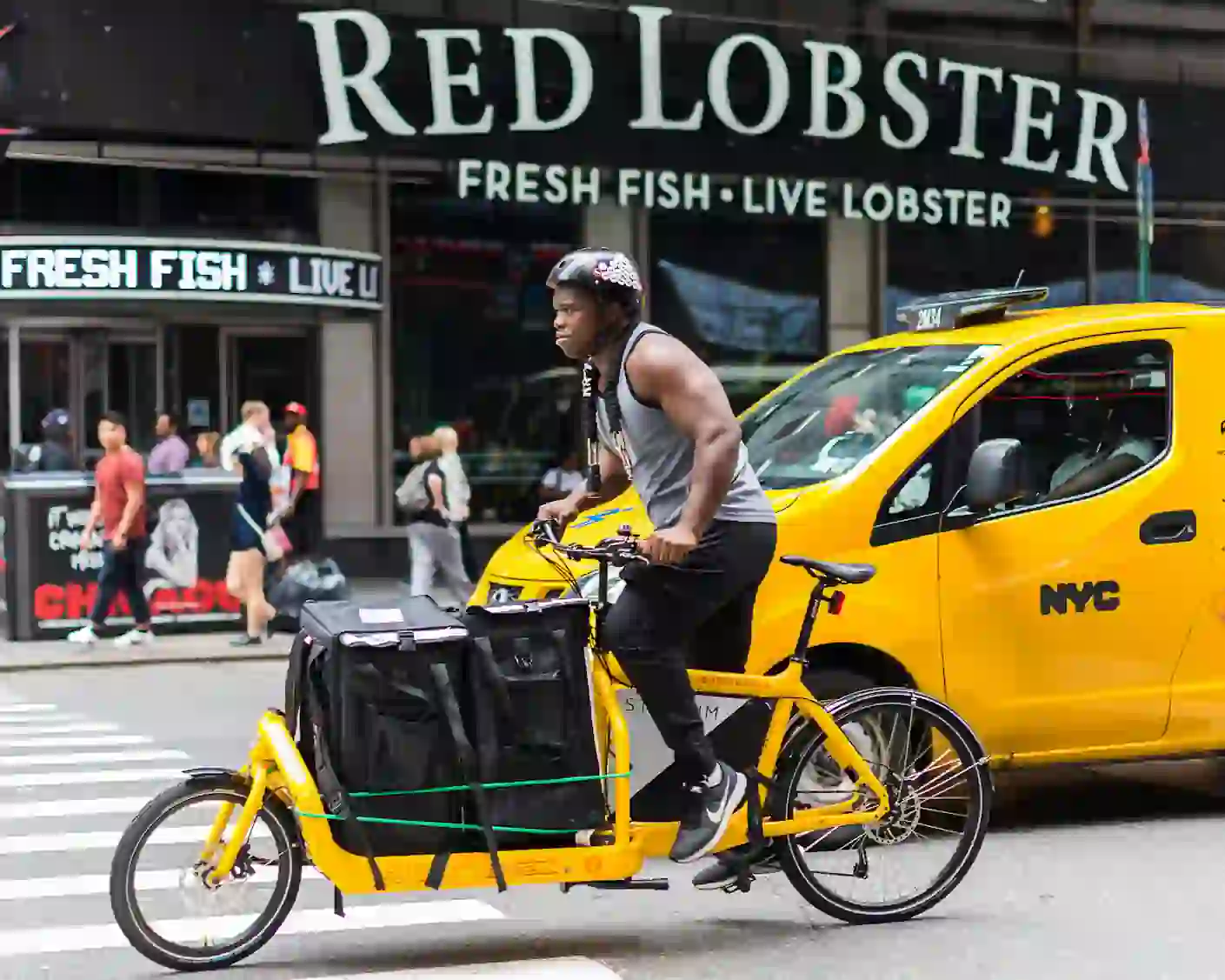
A normal e-bike helps one person travel farther. A cargo e-bike changes the fundamental utility: it lets one person move people plus volume. With a capacity of 100 to 300 pounds beyond the rider, these machines handle the repetitive local trips that traditionally make a household feel car-dependent.
2. Is the “second car” the real target?
For most, the first car covers long-distance travel and emergencies. The second car covers short, repeatable errands. Research indicates that 31.2% of cargo-bike owners gave up car ownership entirely, while another 30.9% chose to forgo purchasing a planned new vehicle.
3. How do I perform a “Trip Audit”?

Before transitioning, track your local travel for seven days. Focus on these variables:
- Distance Is the trip under 5 miles? 69% of these journeys are currently made by car, representing the highest potential for shift.
- Payload Are you carrying children, groceries, or commercial tools?
- Friction Is parking expensive or difficult? Cargo e-bikes gain efficiency where cars lose time searching for curb access.
- Storage Can you store and charge the unit securely at ground level?
4. What are the primary use cases?
School Runs and Daycare
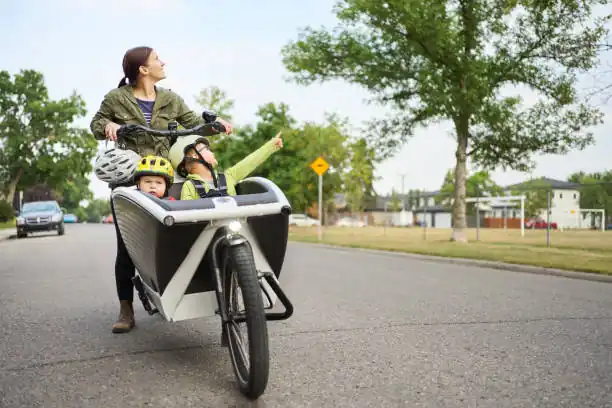
Predictable and repetitive. Surveys show 93.9% of cargo-bike owners transport children, with 68.5% doing so weekly. It eliminates car-line delays and engine idling.
Grocery Logistics
If you shop 2–3 times per week, a compact cargo bike with panniers suffices. For large weekly loads, a front-loader (box bike) is the engineering standard.
Last-Mile Business Delivery
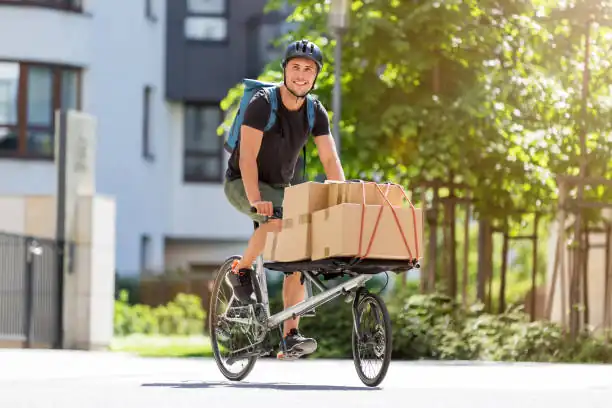
Research indicates cargo bikes can replace 32% of delivery trips and up to 50% of service calls (technicians, florists, cleaners) in dense urban zones.
5. How does the cost compare to a vehicle?
Annual Operating Cost (2025/2026)
New Vehicle (Average): $11,577 per year / $964.78 per month (AAA Estimate).
Cargo E-Bike: $1,300 to $9,000+ initial purchase, with negligible energy costs and periodic drivetrain maintenance.
The mistake is comparing a bare bike to a fully equipped car. A car-replacement budget must include: Bike + Passenger Kit + Weather Protection + Security Kit + Maintenance.
6. What are the constraints of ownership?
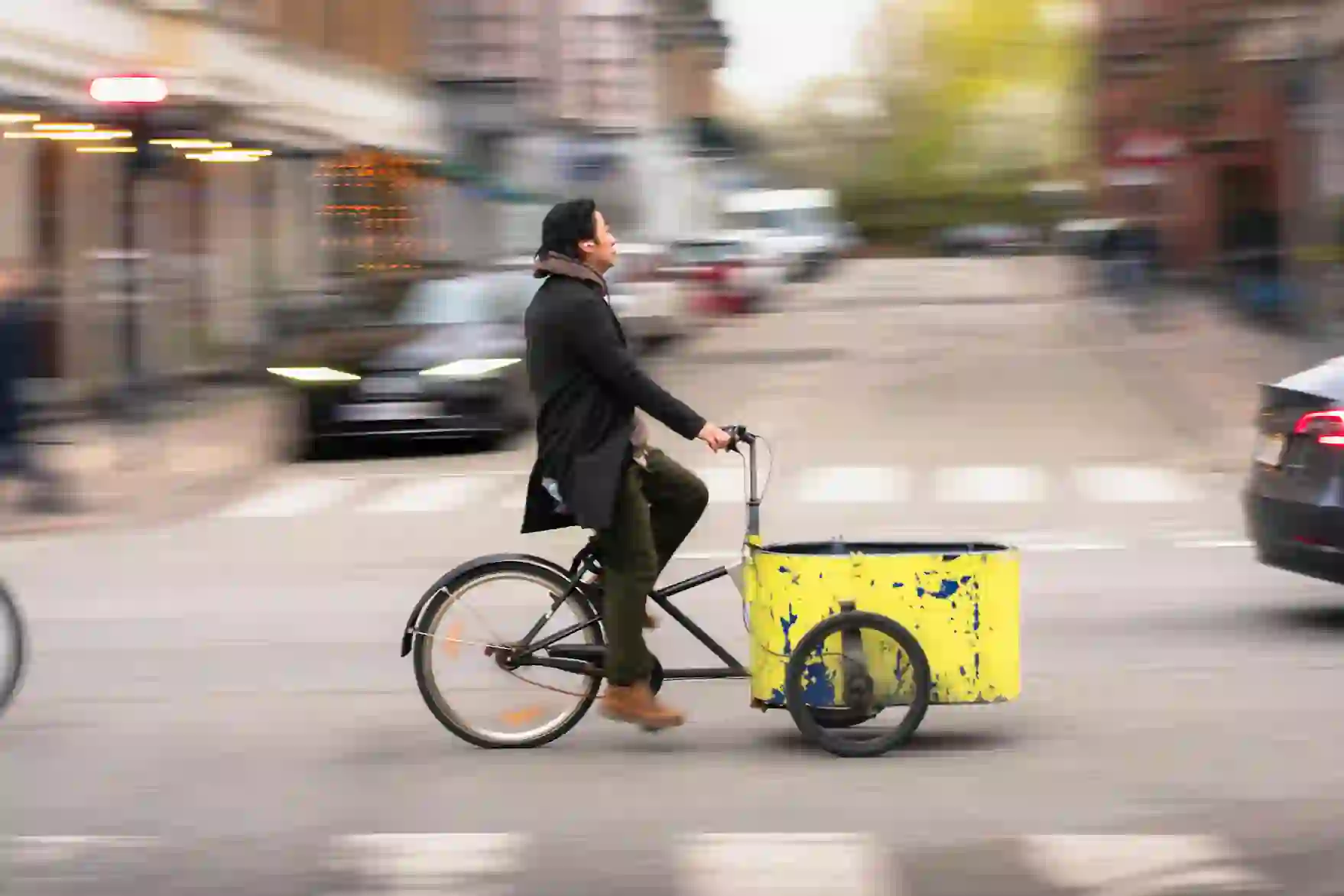
- Route Safety The best test is a weekend dry run of your essential routes.
- Storage Logistics If getting the bike out takes more than five minutes, you will default to the car.
- Theft Risk Requires a multi-tier lock strategy and GPS tracking.
- Weather Adaptation Fenders, waterproof panniers, and kid canopies are essential infrastructure, not options.
- Braking and Payload Do not buy for your average load; buy for your “worst-case” normal load.
- Serviceability Ensure a local shop can service the specific motor system (Bosch, Shimano, or proprietary industrial drives).
7. Long-tail vs. Front-loader vs. Compact?
Choose your architecture based on your storage and handling needs:
- Long-tail Extended rear rack. Rides like a normal bike. Best for apartment dwellers or those with limited garage width.
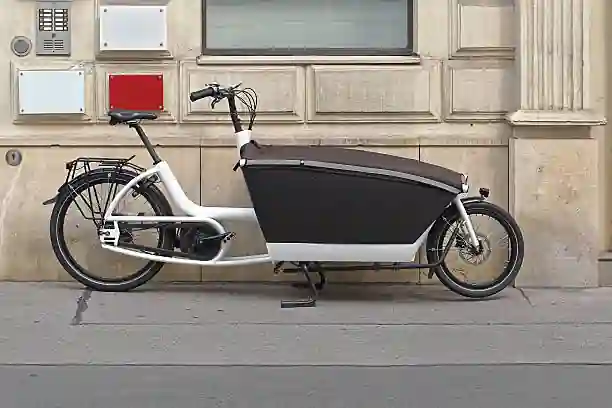
- Front-loader (Box Bike) Cargo sits in front of the rider. Best for very young children and bulky, large-volume loads.
- Compact Cargo Shorter wheelbase. Best for dense urban areas and riders who are nervous about maneuvering large frames.
8. What is the car-replacement buying checklist?
Fit and handling
- Can you start, stop, turn, and U-turn with cargo?
- Can both adults in the household ride it if needed?
- Can you mount and dismount safely with children or cargo loaded?
- Does the bike feel stable at slow speed?
Payload
- What is the total payload rating?
- What is the rear-rack or front-box rating?
- Are child seats, passenger rails, footrests, and seat pads approved for the model?
- Can it carry your largest weekly grocery load?
Brakes and tires
- Are the brakes strong enough for loaded descents?
- Are tires wide and puncture-resistant enough for daily utility use?
- Are replacement tires easy to find locally?
Battery and range
- What is the realistic loaded range, not just the marketing range?
- Is there a dual-battery option?
- Can the battery be removed for charging?
- Is replacement battery availability clear?
Weather setup
- Does the brand offer a fitted rain cover or canopy?
- Are fenders included?
- Can children stay dry enough for school or daycare?
- Where will wet gear dry at home?
Security
- Where will it be locked at home?
- Where will it be locked at school, work, or stores?
- Is there a frame lock, alarm, GPS tracker, or removable display?
- Have you checked insurance coverage?
Serviceability
- Is there a local shop that will service the motor system and mechanical parts?
- Are brake pads, tires, tubes, spokes, chains, and batteries available?
- Is the brand likely to support the model for several years?
Legal and rebate eligibility
- Is it Class 1, Class 2, or Class 3?
- Does your city or rebate program restrict motor wattage, tire size, speed class, used bikes, or conversion kits?
- Does the battery meet the safety standard required by your local program or building rules?
9. How do I transition in the first 30 days?
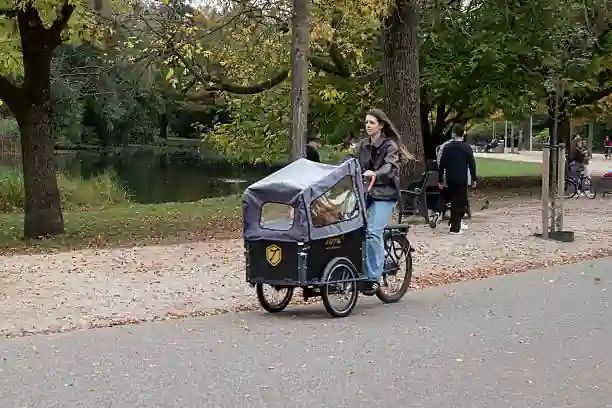
A cargo e-bike becomes a car replacement through habit, not through specs. The first month should be a controlled transition.
Week 1: No-pressure practice
Ride unloaded. Practice turns, braking, parking, walking the bike, and locking it. Then add cargo gradually.
Week 2: Replace the easiest trip
Pick one low-stress route: a park, nearby grocery store, school practice run, or coffee shop. Repeat it until it feels boring.
Week 3: Add the real load
Carry the groceries, child seats, school bags, or work items you bought the bike for. Adjust bags, straps, passenger seating, mirrors, and tire pressure.
Week 4: Build the weekly routine
Choose three trips that will be cargo-bike-first. Do not try to replace every car trip immediately.
This staged approach reduces buyer regret because it turns a big lifestyle change into a sequence of small wins.
10. Who should not buy a cargo e-bike as a car replacement?

A cargo e-bike may be a poor car-replacement choice if:
- Your regular trips are mostly over 10–15 miles each way.
- Your routes require high-speed roads with no safe shoulder or bike lane.
- You cannot store the bike securely.
- You must carry loads beyond the bike’s rated capacity.
- You need to transport multiple passengers in weather conditions you cannot manage.
- No local shop will service the bike.
- Your city’s rules or building policies make e-bike storage or charging difficult.
In these cases, a cargo e-bike may still be useful as a weekend or errand vehicle, but it should not be sold as a true car replacement.
The most compelling 2026 data shows that families are buying right-sized mobility. By replacing a 4,000-pound vehicle with a 150kg cargo e-bike for local utility, you reduce lifetime emissions from 50.5 tons of CO2 (Electric Car) down to just 3 tons (E-Cargo Bike).
Success is found in habit, not specs. Start by replacing the “easiest trip” in Week 1, and build your routine from there.
Portland Rides — Standard/Cargo Applicants — Source Link
UKRI — “E-cargo bikes can replace car trips and reshape family travel” — Source Link
Springer / Transportation — “Cargo bikes and their modal shift effects: from substitution to relinquishing car ownership” — Source Link
Urban Freight Lab — “The State of Zero Emission Delivery in the U.S.” — Source Link
Vok Bikes — “CO2 emissions comparison: car vs e-cargo bike” — Source Link
AAA Newsroom — “AAA: New Vehicle Costs Drop to $11,577” — Source Link
Leoguar Bikes — “How Much Can You Save with an E-Cargo Bike?” — Source Link
City of Portland — Portland Rides launch announcement — Source Link