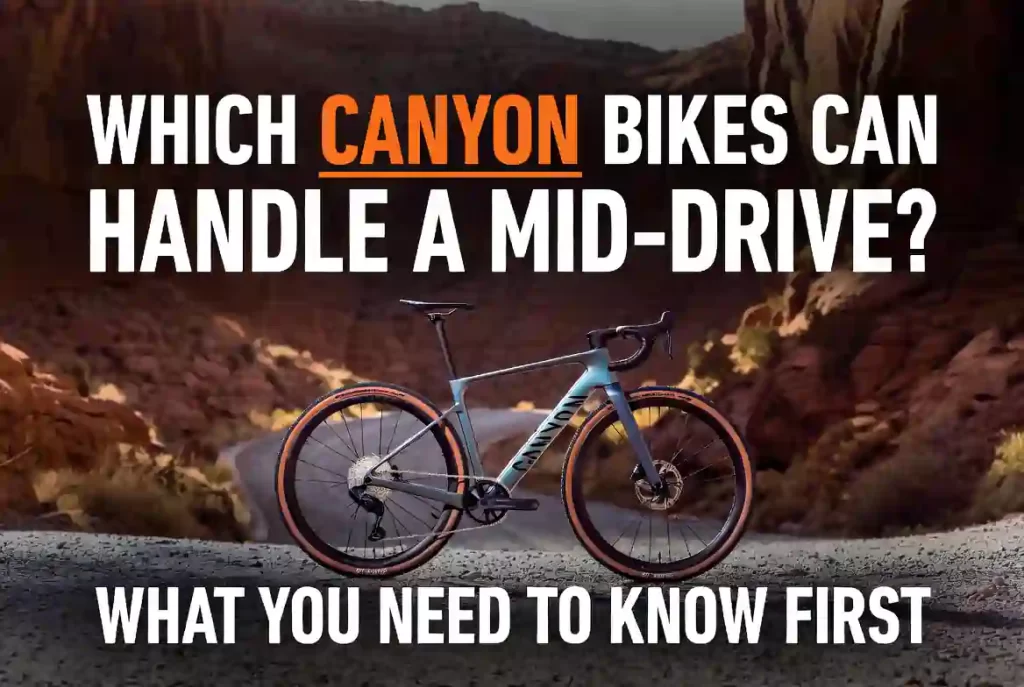
Welcome to the definitive engineering guide for electrifying your Canyon bicycle. As a drivetrain systems specialist, I have designed this manual to be the most accurate, mistake-proof, and authoritative resource available. Whether you are converting a rugged aluminum Stoic or a carbon fiber Grizl, the success of your build depends entirely on understanding your frame’s mechanical tolerances. Mid-drive motors exert immense torsional forces (twisting loads) on a bicycle frame. Before ordering a single component, you must identify your exact Canyon model and understand its bottom bracket standard. Let us begin by establishing the foundational rules and technical concepts required for a safe, professional-grade conversion.
01 Canyon Compatibility Overview
| Model | Category | Status | Approved Motor | Key Engineering Notes |
|---|---|---|---|---|
| Stoic | MTB (Hardtail) | 🟢 Perfect | DM01/ DM02 | Aluminum frame; watch cable routing at BB. |
| Grand Canyon | MTB (Hardtail) | 🟢 Recommended | DM01/ DM02 | BB92 shell (2019+) requires 100mm axle. |
| Exceed | 🟠 Advanced | DM02 Only | Carbon only; requires CNC bushings. | |
| Spectral | MTB (Full-Sus) | 🟡 Moderate | DM01/ DM02 | Must pass suspension clearance test. |
| Neuron | MTB (Full-Sus) | 🟡 Moderate | DM01/ DM02 | Carbon versions (CF) are DM02 only. |
| Torque | MTB (Full-Sus) | 🟠 Advanced | DM01/ DM02 | Long-travel suspension needs deep clearance check. |
| Lux | MTB (Full-Sus) | 🟠 Advanced | DM02 Only | Usually carbon; tight BB86/92 shell area. |
| Strive | MTB (Full-Sus) | 🟠 Advanced | DM02 Only | Carbon-heavy; “Shapeshifter” linkage adds complexity. |
| Grizl | Gravel | 🟡 Moderate | DM01/ DM02 | Flared chainstays require drive-side spacers. |
| Grail | Gravel | 🟡 Moderate | DM01/ DM02 | Press-Fit BB86 requires 100mm axle. |
| Endurace | Road | 🟢 Recommended | DM01/ DM02 | Aluminum (AL) models are easy conversions. |
| Ultimate | Road | 🔴 Not Rec. | None | High-modulus carbon; extreme risk of shell failure. |
| Aeroad | Road | 🔴 Not Rec. | None | Aero tube profiles won’t clear motor blocks. |
| Frame Material | Bottom Bracket Standard | Approved Motor | Required Axle | Mandatory Hardware |
|---|---|---|---|---|
| Aluminum (AL) | Threaded (BSA) | DM01 or DM02 | 68mm/ 73mm | Standard Kit |
| Aluminum (AL) | Press-Fit (BB86/BB92) | DM01 or DM02 | 100mm | CNC Reducer Bushings + Spacer Kit |
| Carbon (CF / CFR) | Threaded (BSA) | DM02 ONLY | 68mm/ 73mm | Protective Pads (35-40Nm Limit) |
| Carbon (CF / CFR) | Press-Fit (BB86/BB92) | DM02 ONLY | 100mm | CNC Bushings + Spacer Kit + Pads |
DM01 (160Nm): This motor is Strictly Prohibited on all Canyon carbon fiber (CF and CFR) frames. The extreme torsional force of 160Nm is high enough to crush the carbon layup and permanently destroy the bottom bracket shell.
DM02 (90Nm): This is the Only approved motor for carbon frames. You must use protective interface pads and strictly adhere to a 35-40Nm lockring torque limit.
Essential Hardware Checklist
- CNC High-Precision Reducer Support Bushings Mandatory for all Press-Fit (41mm bore) shells to bridge the 7.5mm mechanical gap.
- 1mm/2mm Precision Spacer Kit Mandatory for all 100mm axle installs to ensure perfect centering and prevent “axle bottoming out”.
- Protective Interface Pads Required for all carbon (CF/CFR) frames to distribute clamping loads and prevent resin fractures.
- Precision Torque Wrench Non-negotiable for carbon builds to maintain the strict 35-40Nm lockring limit.
Critical Operational Rules
- The 3-Second Calibration Rule You must keep all weight off the pedals for at least 3 seconds after powering on the T24 display to allow the torque sensor to establish a “zero-load” baseline.
- Manual Shifting (DM02) Since the DM02 lacks an integrated shift sensor, the rider must consciously pause pedaling during gear changes to protect the drivetrain.
- Suspension Clearance Test For full-suspension models (Spectral, Neuron, Torque), you must deflate the rear shock and compress the linkage fully to ensure it does not strike the motor housing.
- Flared Frame Spacing Models like the Grizl or Stoic may require extra drive-side spacers to prevent the 133mm secondary gear housing from striking the chainstays.
Canyon Ultimate & Aeroad: Conversion is Not Recommended due to ultra-thin carbon layups and fully internal headset routing that complicates motor wiring.
DM01 on Carbon: Use of the 160Nm DM01 motor on any carbon frame is Strictly Prohibited as it will crush the bottom bracket shell.
Below is the definitive model-by-model compatibility lookup system. Locate your Canyon bicycle to understand exactly what hardware you need.
Mountain Bikes (MTB)
Canyon’s mountain bike lineup features robust geometries, but varying bottom bracket standards mean you must pay close attention to your specific model year.
Grand Canyon (Hardtail)
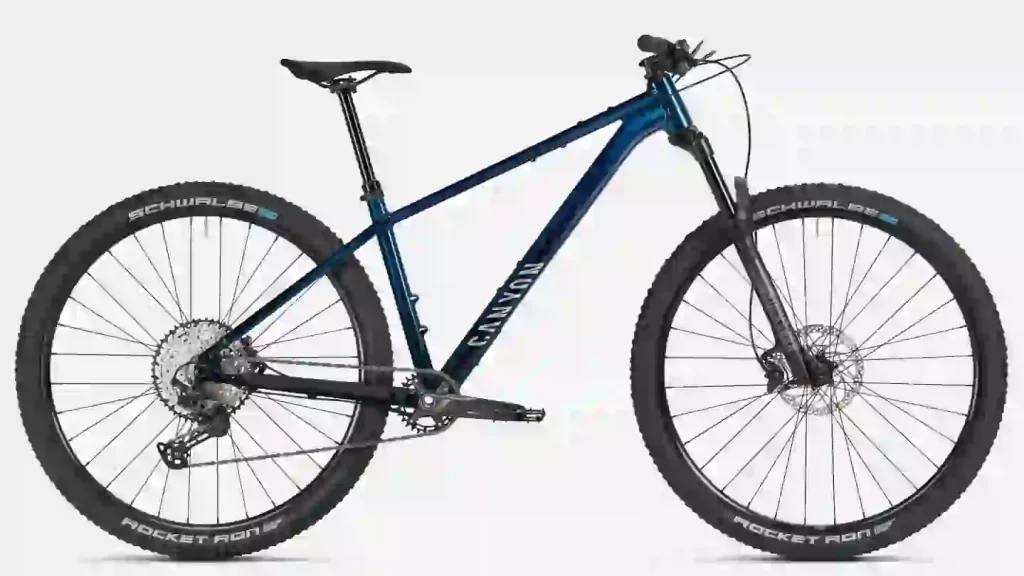
- Bottom Bracket Type BSA 73mm (Pre-2018) | Press-Fit BB92 (2019 and newer) Frame Material: Aluminum (AL)
- Hub Spacing Non-Boost 135mm (Older) | Boost 141mm/148mm (Newer)
- Internal Routing Exits near the bottom bracket.
Compatibility Verdict (Pre-2018): Easy. The BSA 73mm threaded shell natively accepts the standard 73mm Toseven motor. Both DM01 and DM02 are highly recommended.
Compatibility Verdict (2019+): A Moderate. The Press-Fit BB92 shell requires the 100mm axle motor variant. You must install CNC High-Precision Reducer Support Bushings and perfectly center the unit using the 1mm/2mm Precision Spacer Kit.
Stoic (Aggressive Hardtail)
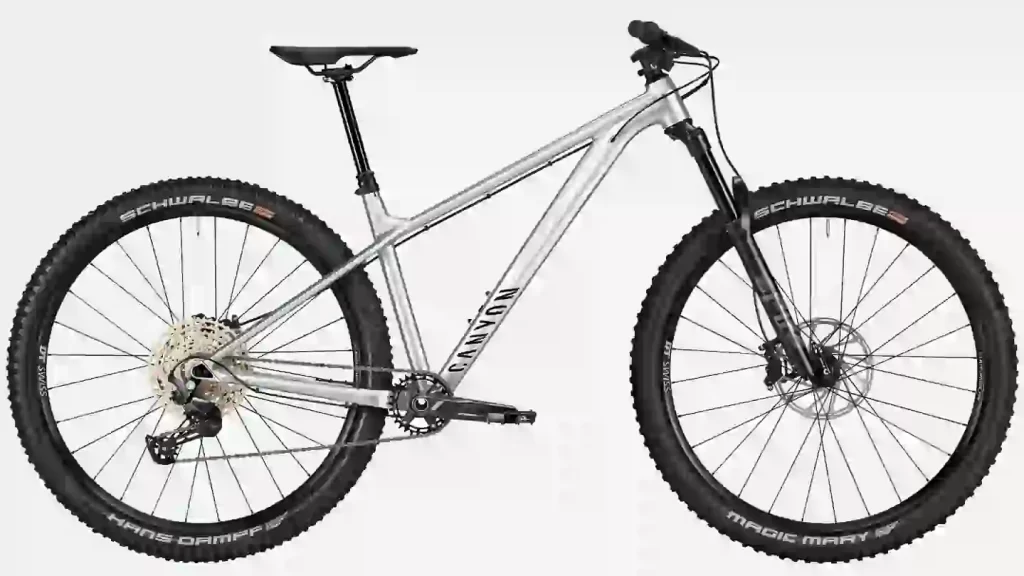
- Bottom Bracket Type BSA 73mm Threaded
- Frame Material Aluminum (AL)
- Hub Spacing Boost 148mm
- Internal Routing Cables exit directly beneath the bottom bracket shell.
Compatibility Verdict: Easy. The Stoic is one of the premier conversion platforms in Canyon’s lineup. The robust aluminum frame easily handles the DM01’s 160Nm of torque.
Technical Warning: Because the internal shift and brake cables exit directly at the bottom bracket, rotating the motor upward against the down tube can crush the cables. You must leave a small gap or use protective rubber conduits to shield the cables from the motor housing.
Neuron (Short-Travel Full Suspension)
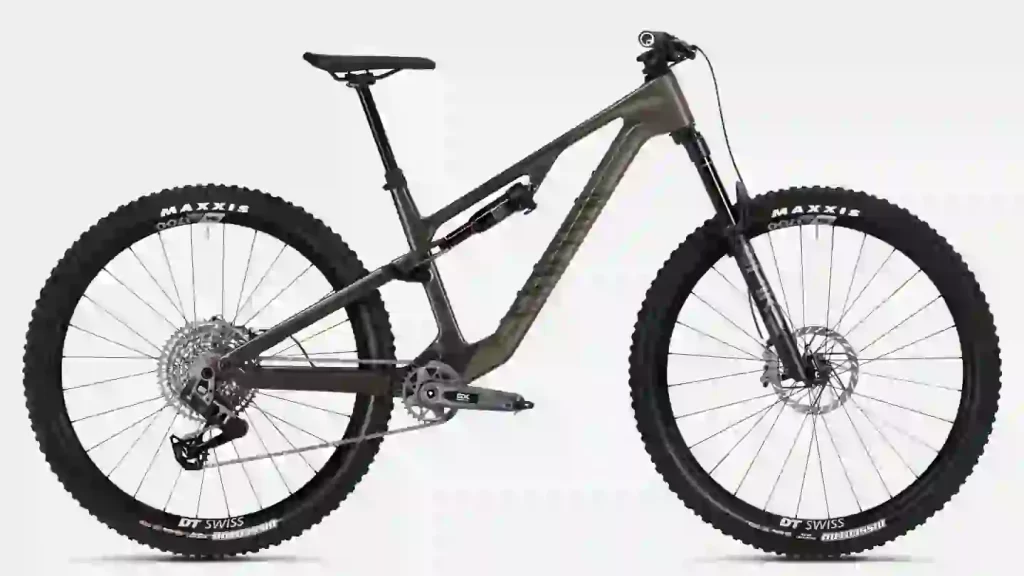
- Bottom Bracket Type BSA 73mm Threaded
- Frame Material Aluminum (AL) and Carbon (CF)
- Hub Spacing Boost 148mm
- Internal Routing Internal, exiting at the BB.
Compatibility Verdict (Neuron AL): Easy. The aluminum Neuron features a threaded shell and easily handles the DM01.
Compatibility Verdict (Neuron CF): Advanced. Because the frame is carbon fiber, the DM01 is strictly prohibited. You must use the DM02, apply protective interface pads, and strictly adhere to the 35-40Nm lockring torque limit.
Spectral (Long-Travel Trail/Enduro)
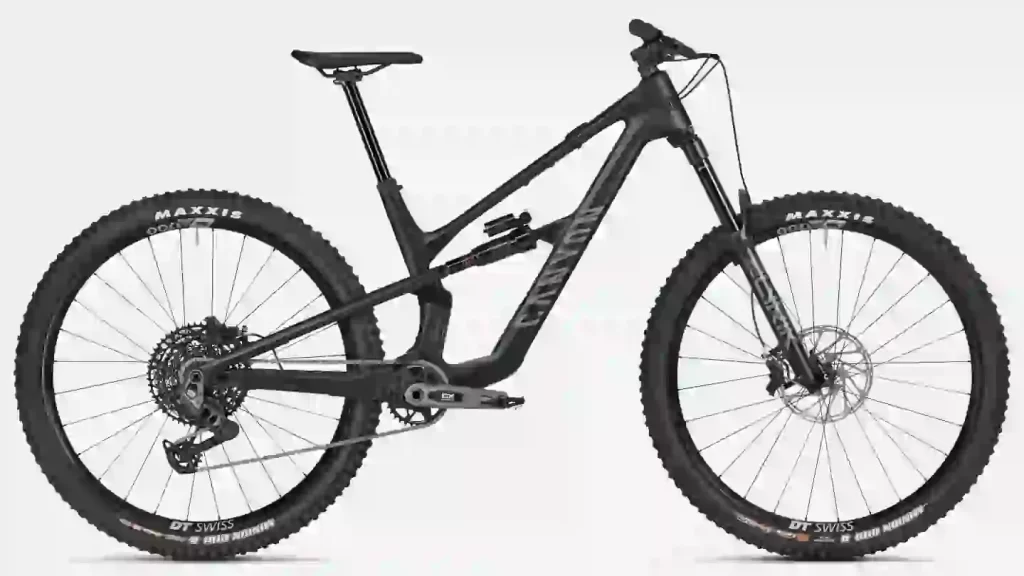
- Bottom Bracket Type Press-Fit BB92 (AL Pre-2023) | BSA 73mm Threaded (CF 2024 and newer)
- Frame Material Aluminum (AL) and Carbon (CF)
- Hub Spacing Boost 148mm
- Internal Routing Internal; newer models route through the headset.
Compatibility Verdict (Spectral AL Pre-2023): Moderate. You must order the 100mm axle motor variant alongside CNC High-Precision Reducer Support Bushings and use the 1mm / 2mm Precision Spacer Kit.
Compatibility Verdict (Spectral CF 2024+): Advanced. While the switch to a threaded BSA 73mm shell makes physical fitment easy, the carbon frame means the DM01 is prohibited. Install the DM02 only, utilizing protective pads and the 35-40Nm torque limit.
Technical Warning: Full suspension frames experience “chain growth” as the suspension compresses. You must deflate your rear shock and compress the suspension fully to ensure the motor casing does not strike the lower frame linkages.
Torque (Gravity / Freeride)
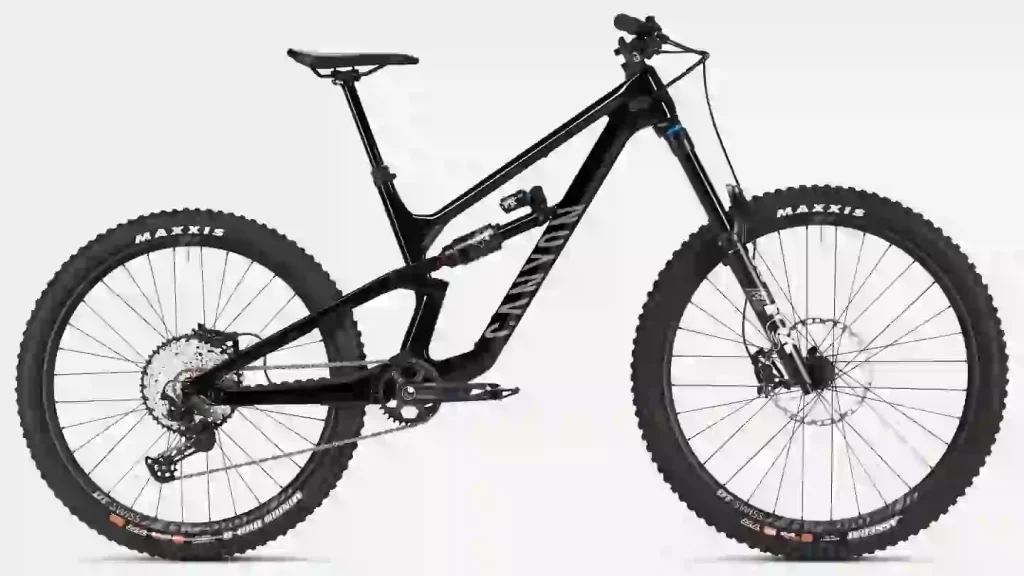
- Bottom Bracket Type BSA 73mm Threaded
- Frame Material Aluminum (AL) and Carbon (CF)
- Hub Spacing Boost 148mm
- Internal Routing Internal, exiting at the BB.
Compatibility Verdict (Torque AL): Easy. Excellent candidate for the DM01 motor.
Compatibility Verdict (Torque CF): Advanced. DM02 only. Mandatory protective pads and 35-40Nm torque limit.
Lux
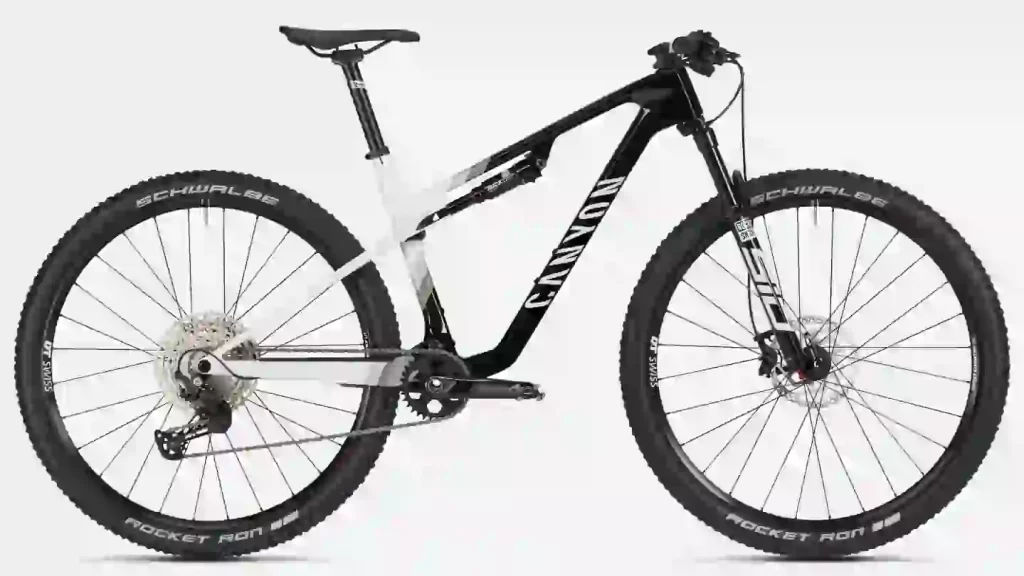
- Bottom Bracket Type Usually BB86/92 Press-Fit
- Frame Material Carbon
Compatibility Verdict: Advanced. DM02 Only. Tight BB86/92 shell area.
Strive
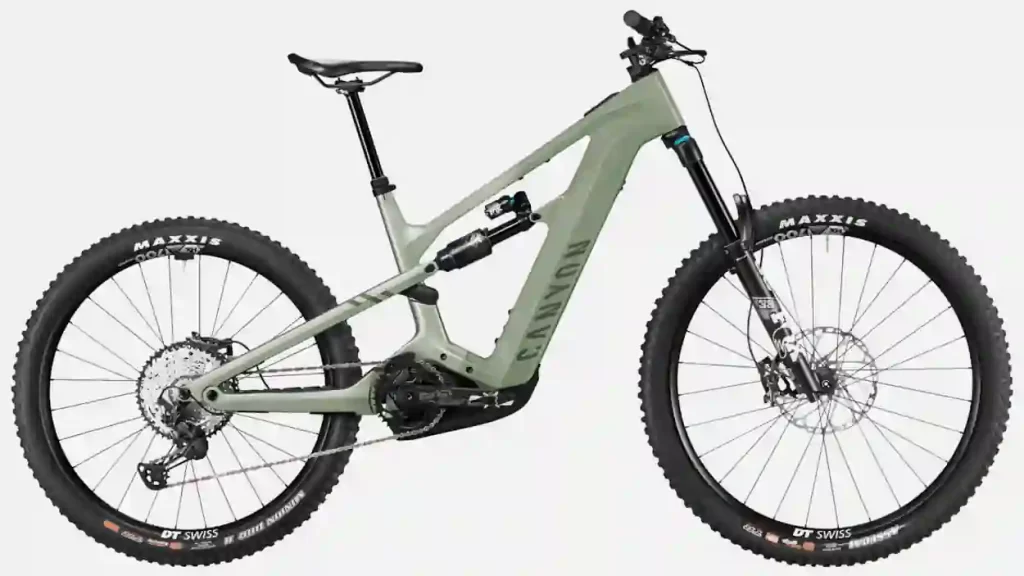
- Bottom Bracket Type Usually BSA Threaded
- Frame Material Carbon-heavy
Compatibility Verdict: Advanced. DM02 Only. “Shapeshifter” linkage adds complexity.
Road Bikes
Canyon’s road bicycles are engineered for aerodynamic efficiency and low weight. They predominantly use wide, threadless bottom brackets and extremely thin carbon layups.
Endurace (Endurance Road)
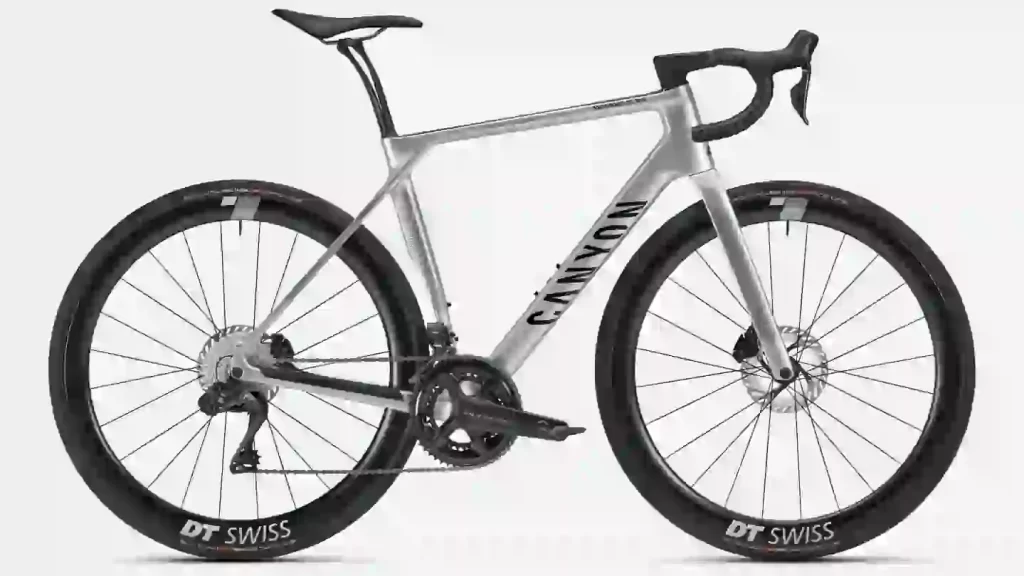
- Bottom Bracket Type BSA 68mm Threaded (AL) | Press-Fit BB86 (CF / SLX)
- Frame Material Aluminum (AL) and Carbon (CF)
- Hub Spacing Non-Boost 142mm
- Internal Routing Semi-Internal (AL) | Fully Internal (CF)
Compatibility Verdict (Endurace AL): Easy. The BSA 68mm threaded shell is the absolute baseline standard for Toseven motors. The 68mm axle motor will drop in perfectly.
Compatibility Verdict (Endurace CF): Advanced. The Press-Fit BB86 shell (86.5mm wide) requires the 100mm axle DM02 motor variant. You must use CNC High-Precision Reducer Support Bushings and the 1mm / 2mm Precision Spacer Kit. DM01 is strictly prohibited.
Ultimate (Lightweight Race)
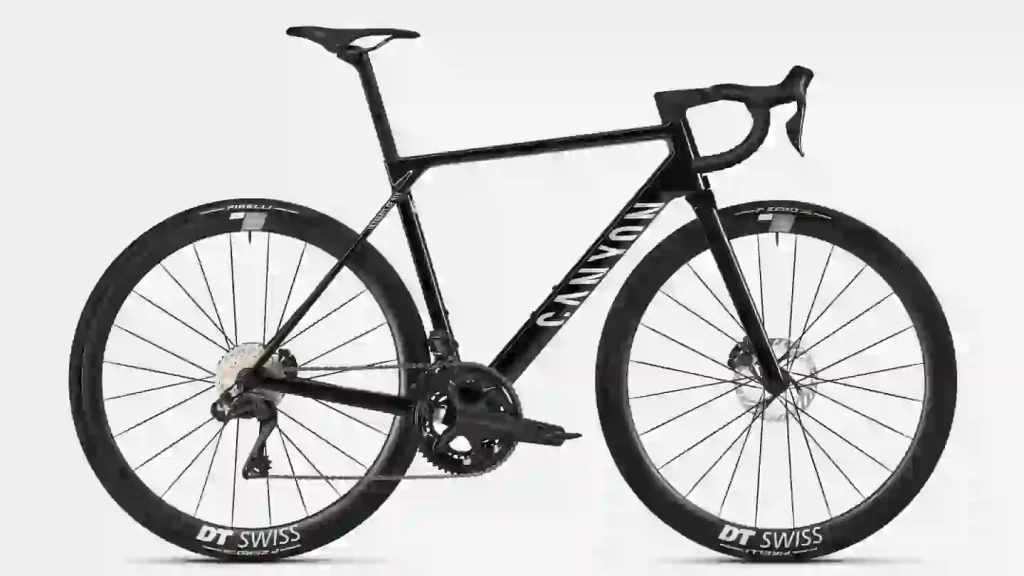
- Bottom Bracket Type Press-Fit BB86
- Frame Material Carbon (CF, SLX, CFR)
- Hub Spacing Non-Boost 142mm
- Internal Routing Fully internal through the headset.
Compatibility Verdict: Not Recommended. The Ultimate is a purebred racing machine with an ultra-thin, high-modulus carbon layup. Even with the DM02, the structural risk to the delicate BB86 shell is exceptionally high. Furthermore, fully internal headset routing leaves zero room for the motor’s external wiring harness without severe aesthetic and mechanical compromises.
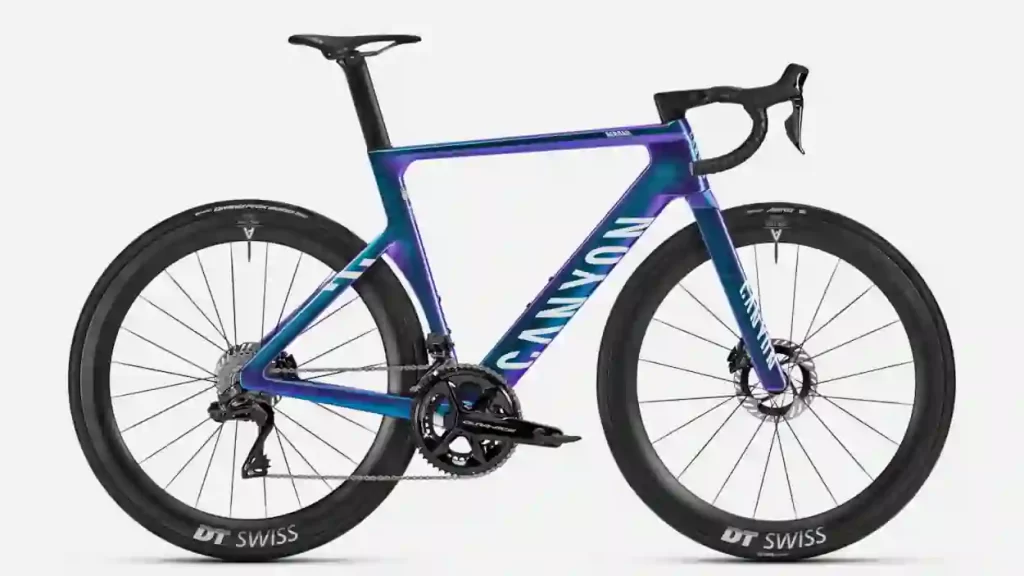
Aeroad (Aero Race)
- Bottom Bracket Type Press-Fit BB86
- Frame Material Carbon (CF, SLX, CFR)
- Hub Spacing Non-Boost 142mm
- Internal Routing Fully internal through the headset.
Compatibility Verdict: Not Recommended. Similar to the Ultimate, the Aeroad’s deep, aerodynamic carbon tube profiles and fragile BB86 junction make it structurally unsuited for the clamping forces of a mid-drive motor. Do not attempt electrification on this platform.
Gravel Bikes
Gravel bikes offer an excellent middle ground, featuring road-like efficiency with ruggedized frame designs that can handle the added weight and torque of an e-bike conversion.
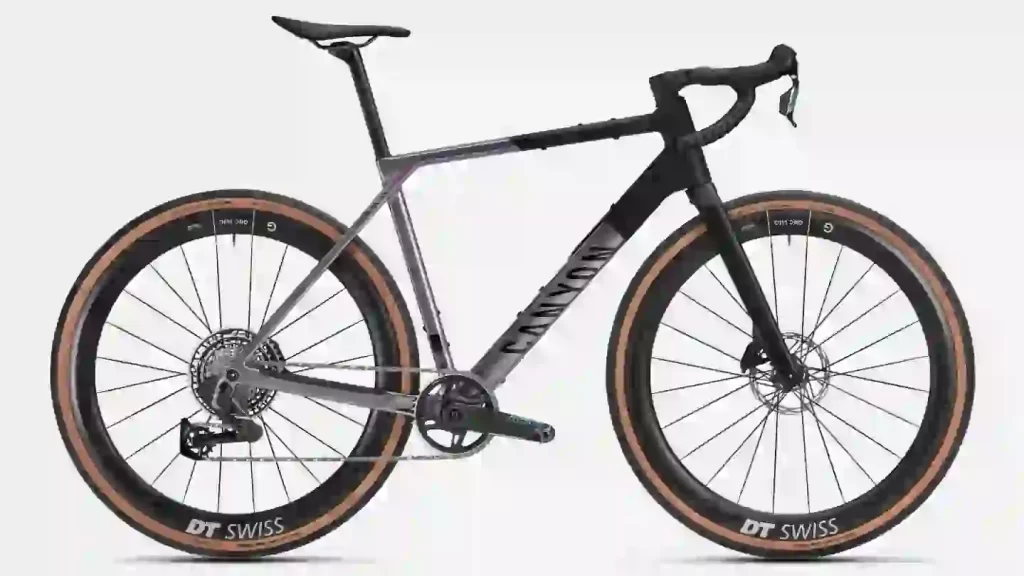
Grail (Performance Gravel)
- Bottom Bracket Type Press-Fit BB86
- Frame Material Aluminum (AL) and Carbon (CF, SLX)
- Hub Spacing Non-Boost 142mm Thru-Axle
- Internal Routing Internal through the down tube.
Compatibility Verdict (Grail AL): Moderate. Because the shell is an 86.5mm wide BB86, the standard motor is too short. You must utilize the 100mm axle motor variant, combined with CNC High-Precision Reducer Support Bushings and the 1mm / 2mm Precision Spacer Kit. The aluminum frame can safely handle the DM01 motor.
Compatibility Verdict (Grail CF): Advanced. The carbon Grail requires the same 100mm axle and bushing setup as the aluminum model, but the DM01 is strictly prohibited. Use the DM02 motor only, limit lockring torque to 35-40Nm, and install protective interface pads.
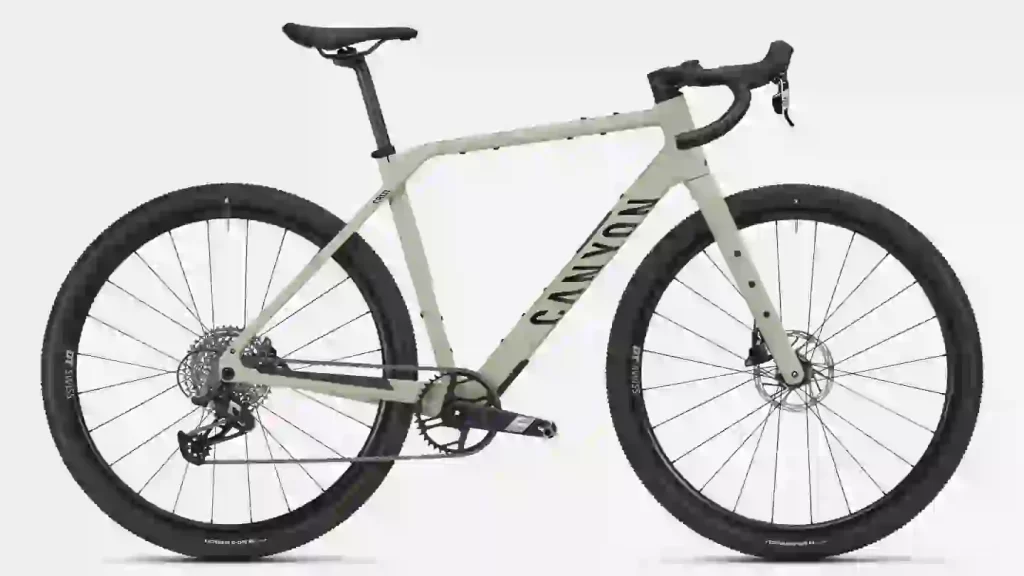
Grizl (Adventure / Bikepacking Gravel)
- Bottom Bracket Type Press-Fit BB86
- Frame Material Aluminum (AL) and Carbon (CF, SLX)
- Hub Spacing Non-Boost 142mm Thru-Axle
- Internal Routing Internal through the down tube.
Compatibility Verdict (Grizl AL): Moderate. Requires the 100mm axle motor variant, CNC High-Precision Reducer Support Bushings, and the 1mm/2mm Precision Spacer Kit.
Compatibility Verdict (Grizl CF): Advanced. DM02 only. Mandatory protective pads and 35-40Nm torque limit.
Technical Warning (All Grizl Models): The Grizl is designed with extremely wide, flared chainstays to accommodate massive 50mm tires. The Toseven motor’s secondary gear housing is 133mm in diameter. On the Grizl, the motor housing may physically strike the flared carbon or aluminum chainstay before it is fully seated in the bottom bracket. You must utilize the 1mm / 2mm Precision Spacer Kit on the drive side to push the motor slightly outboard, ensuring adequate frame clearance.
02 Understanding Bike Compatibility
If you are new to bicycle mechanics, the terminology can feel overwhelming. Let’s demystify the core concepts you need to know before we evaluate your specific bike.
1 What is a Bottom Bracket?
The bottom bracket (BB) is the hollow cylindrical tube located at the very bottom of your bicycle frame, where the pedal arms connect. In a standard bicycle, this shell houses bearings that allow your pedals to spin. In a Toseven mid-drive conversion, the entire pedal assembly is removed, and the electric motor’s main axle slides directly through this hollow tube.
2 Threaded vs. Press-Fit Shells
Canyon bicycles generally use one of two bottom bracket designs:
- Threaded (BSA) The inside of the frame shell has spiral grooves (threads) machined into the metal. It is typically 68mm or 73mm wide. This is the classic, most reliable standard. Toseven motors are natively designed to slide perfectly into a threaded BSA shell.
- Press-Fit (BB86 / BB92) Instead of threads, the inside of the shell is completely smooth. Bearings are forced (pressed) into the frame under high pressure. Canyon utilizes Press-Fit to widen the bottom bracket junction (86.5mm on road/gravel, 91.5mm on mountain bikes), which increases lateral stiffness and allows for massive tire clearance.
3 Why does this affect compatibility?
The Toseven motor axle has a diameter of 33.5mm. A Press-Fit BB86/BB92 shell has a smooth inner diameter of exactly 41mm. If you simply slid the motor into a Press-Fit shell, it would float loosely in the massive 41mm hole. To bridge this 7.5mm gap safely, you must use CNC High-Precision Reducer Support Bushings. Furthermore, because BB86 and BB92 shells are significantly wider than traditional 68/73mm shells, standard motors are too short. You must utilize the 100mm axle motor variant for BB86 and BB92 frames.
4 What is Boost Spacing?
Boost spacing refers to the width of the rear wheel hub. Traditional mountain bikes have a 135mm or 142mm rear axle. Modern “Boost” bikes have a wider 148mm rear axle. This wider stance pushes your rear cassette (gears) 3mm further outward. When installing your motor, you will need an offset chainring to ensure your front gear aligns perfectly with your rear gears-a concept known as “chainline.”
03 Mistakes That Can Destroy Your E-Bike
Before viewing the compatibility charts below, you must commit these universal factory rules to memory. These directives override any general assumptions and are non-negotiable for a safe build.
1 The Carbon Fiber Protocol (Critical)
Canyon’s “CF” and “CFR” frames are constructed from advanced carbon fiber composites optimized for extreme lightness. They are engineered to withstand human pedaling forces, not the localized crushing pressure of a metal motor block.
- DM01 (160Nm) Strictly Prohibited. The 160Nm of torque will crush the carbon layup and destroy the frame.
- DM02 (90Nm) The Only Approved Solution.
- Torque Limit When installing the DM02 on a carbon frame, the primary lockring must be tightened to a strict limit of 35-40Nm ONLY. Do not exceed this limit.
- Surface Protection You must install protective interface pads (dense rubber or composite shims) between the motor housing and the bare carbon frame to distribute the clamping load safely.
2 The Shift Sensor Rule
High-torque systems require coordinated drivetrain management to prevent chains from snapping under load.
- Toseven DM01 Includes a mandatory integrated shift sensor. It momentarily cuts motor power during gear changes to protect your drivetrain.
- Toseven DM02 Does NOT include a shift sensor. It is not required for the DM02’s lower torque output. However, the rider must shift manually by consciously pausing their pedal input during gear changes.
3 Precision Centering and Spacing
For all Press-Fit installations (and fine-tuning threaded installations), the motor must be perfectly centered. You must utilize the factory 1mm / 2mm Precision Spacer Kit.
- Spacers These spacers fill mechanical gaps on the axle, ensuring the locknut achieves full thread engagement without bottoming out against the axle shoulder. This guarantees maximum clamping force.
04 FAQ & Troubleshooting
Welcome to the final phase of your Canyon mid-drive conversion. Even with perfect engineering planning, it is completely normal to encounter questions or minor tuning issues during the final assembly and initial test rides.
As a drivetrain systems specialist, I have compiled this authoritative troubleshooting matrix. It addresses the exact mechanical and electronic hurdles that riders face when integrating Toseven systems with modern Canyon bicycles. Read these answers carefully to reinforce your understanding of the factory safety protocols and ensure your newly converted e-bike operates flawlessly.
1 Can I install the high-power DM01 on a Canyon carbon fiber frame?
No. This is strictly prohibited.
Canyon’s “CF” and “CFR” models are constructed from highly advanced, lightweight carbon fiber composite layups. Carbon fiber possesses immense tensile strength, meaning it can handle the pulling forces of human pedaling effortlessly. However, it is highly vulnerable to localized compressive (crushing) forces.
The Toseven DM01 motor generates a staggering 160Nm of twisting torque. If installed on a carbon frame, the metal mounting plate acts as a lever. Under heavy acceleration, this extreme twisting force will instantly crush the carbon walls of your bottom bracket shell, fracture the internal resin matrix, and permanently destroy your bicycle. There are no exceptions to this rule.
If you are converting a carbon Canyon, you must use the Toseven DM02 motor. The DM02 generates a safer 90Nm of torque. Furthermore, you must apply strict installation protocols: you must install protective interface pads between the motor housing and the bare carbon frame to distribute the clamping load, and you must strictly limit the primary lockring torque to a maximum of 35-40Nm ONLY.
2 My Canyon has a Press-Fit BB86 or BB92 bottom bracket. Can I still convert it?
Yes, but it requires mandatory precision hardware.
Canyon utilizes Press-Fit BB86 (on road/gravel bikes) and BB92 (on mountain bikes) to create a wider, stiffer pedaling platform. These shells have a smooth, threadless internal bore measuring exactly 41mm in diameter. The Toseven motor axle is only 33.5mm in diameter.
If you slide the motor into the frame without adapting it, it will float loosely in the massive 41mm hole. To safely install the motor, you must bridge this gap using official CNC High-Precision Reducer Support Bushings. These machined metal sleeves press tightly into your frame, stepping the 41mm hole down to perfectly match the 33.5mm motor axle.
Additionally, because a BB86 shell is 86.5mm wide and a BB92 shell is up to 92mm wide, a standard 68mm/73mm motor is physically too short. The axle will disappear inside the frame, giving you nothing to screw the locknut onto. You must order the 100mm axle motor variant. Finally, to manage the remaining axle space and perfectly center the motor, you must utilize the 1mm/2mm Precision Spacer Kit.
3 Do I need to buy a shift sensor for the Toseven DM02?
No. A shift sensor is not required, nor is it included.
The drivetrain management protocols for the DM01 and DM02 are completely different.
Because the DM01 produces 160Nm of torque, shifting gears under that much tension will snap your chain. Therefore, the DM01 includes a mandatory integrated shift sensor that automatically cuts power when you pull your gear cable.
The DM02 produces a lower 90Nm of torque and does not include a shift sensor. You must act as the shift sensor. To shift gears safely with a DM02, the rider must shift manually by consciously easing off the pedals for a split second right before clicking the shifter. Pausing your pedaling input tells the motor’s highly sensitive torque sensor to drop its power output to zero. The chain moves to the next gear smoothly, and you resume pedaling. Mastering this manual shifting discipline is essential to protect your Canyon’s drivetrain.
4 Why is my chain dropping, skipping, or shifting poorly?
Drivetrain misalignment is the primary cause of poor shifting on mid-drive conversions. Since the motor adds massive tension to the chain, even a slight diagonal bias will cause the derailleur to skip or the chain to derail completely off the front chainring.
If you are experiencing these issues, check the following mechanical causes:
- Incorrect Chainring Offset Most modern Canyon mountain bikes (like the Stoic, Spectral, and Neuron) use wider Boost 148mm rear wheel spacing. To align the front gear with these wider rear cassettes, you must use a 9mm offset chainring. If you used a flat Omm offset chainring, your chain is being pulled at a severe outward angle.
- The Motor is Not Centered If you pressed the CNC High-Precision Reducer Support Bushings into your BB86/BB92 frame but failed to properly center the 100mm motor axle, your chainline is ruined. You must use the 1mm / 2mm Precision Spacer Kit to ensure the motor sits dead-center in the frame, keeping the front gear in perfect alignment with the rear.
- Spacer Misuse If you placed too many spacers on the drive side, you have inadvertently pushed the chainring too far away from the frame.
5 My motor feels jerky, cuts out, or doesn’t feel smooth. What did I do wrong?
This is almost always an electronic calibration issue caused by the rider or external cable interference.
- You Ignored the 3-Second Rule The Toseven DM01 and DM02 utilize a highly advanced strain resistance torque sensor. When you press the power button on the display, the computer takes exactly 3 seconds to establish a “zero-load” baseline. If you rest your foot on the pedals while turning the bike on, the computer assumes your leg weight is “zero.” You must keep your feet completely off the pedals for 3 seconds after powering up.
- Cable Interference (Zero-Point Drift) Canyon bicycles are famous for their tight internal cable routing. Often, the rear brake hose and shift cable exit the frame from a tight port directly beneath the bottom bracket. If you rotate the heavy metal motor casing upward and pin these cables tightly against the frame, the physical tension of the tight cables pressing against the motor can trick the internal torque sensor. The motor interprets this cable tension as human leg pressure, causing erratic, jerky power delivery. You must use a protective conduit around your cables and ensure they are routed cleanly without being crushed.
6 Can I install this motor on a Canyon full-suspension bike?
Yes, but you must pass a mandatory mechanical clearance test.
Canyon’s full-suspension mountain bikes (such as the Spectral, Neuron, and Torque) use a complex Horst-link “Triple Phase Suspension” system. This design relies on a massive lower linkage that pivots directly behind the bottom bracket. As your rear wheel hits a bump, this lower metal linkage swings dramatically forward and downward-occupying the exact physical space where a mid-drive motor sits.
Before you tighten any mounting bolts or install your chain, you must check clearance at full compression. You must let all the air pressure out of your rear shock (deflate it completely) and push down heavily on the saddle until the suspension bottoms out. Visually inspect the gap. If the moving linkage touches the motor casing, you must rotate the motor slightly downward away from the downtube until it clears the linkage perfectly. Watch out for linkage interference, or you will shatter the motor housing on your first trail drop.
7 What is the most common mistake beginners make during conversion?
The most catastrophic mistakes occur when amateur builders ignore the engineering reality of their specific Canyon frame.
- Ignoring the Bottom Bracket Type A builder assumes all bikes are the same, buys a standard kit, and attempts to install it into a Canyon Press-Fit shell without using the mandatory CNC High-Precision Reducer Support Bushings. The motor flops around, grinding the inside of the frame into dust.
- Using the Wrong Axle Length A rider tries to force a standard 68mm/73mm axle motor into an 86.5mm (BB86) or 92mm (BB92) wide Canyon frame. The axle disappears inside the oversized shell, making it physically impossible to thread the locknut on.
- Skipping the Centering Process A builder buys the correct 100mm axle motor but throws away the 1mm / 2mm Precision Spacer Kit. When they tighten the locknut, it runs out of threads and hits the unthreaded shoulder of the axle (“axle bottoming out”). The torque wrench clicks, making the rider think the nut is tight, but the motor is actually loose. The moment they pedal, the loose motor twists violently and rips the bottom bracket shell apart. Always respect the tolerances, use the spacers, and never guess your torque values.